Cold tea? Herbal tea!
Updated: 2007-06-28 08:40
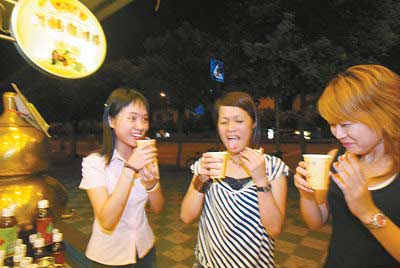
A Same Love for Herbal Tea
Cantonese: Growing up with herbal tea
Most of the families in Guangdong used to make herbal teas themselves. Parents often remind their children to drink some herbal tea in shops if they don't have time to make some at home. They believe herbal tea is good therapy for colds and coughs.
Aunt Tan, a herbal tea fan, according to interviews on Guangzhou Daily, has been making herbal tea for dozens of years. She believes herbal tea, which is much cheaper than medicine nowadays, can not only cure certain illnesses, but also keep one healthy. The cooking pot she uses to boil herbal tea has been serving and protecting her family for six generations. Throughout the years, Tan has learned a lot about the functions of different herbs. Ling, Tan's daughter, was brought up on the smell of herbal tea. As a child, she didn't like the bitter taste, so her mother usually forced her to drink the tea. But gradually, she found herself falling in love with it and became dependant on it. Every time she got acne on her face, or after staying over night at Karaokay halls, she would turn to herbal tea for help.
In 2003, when SARS hit Guangdong Province and no effective vaccine was found, herbal tea even became a kind of spiritual support for families, since the herbs were believed to be able to clear internal heat and expel miasma from inside the body.
New Migration:Learn to drink herbal tea and become a real Cantonese
In recent years, many people from other parts of China moved to Guangdong. For these migrants, learning to drink herbal tea properly is among their first efforts to acclimatize themselves. Most of them had no idea about herbal tea before they moved to Guangdong. They could not understand why Cantonese prefer such a bitter drink. But they soon learn there are also sweet herbal teas such as ginseng-chrysanthemum tea and Luohan tea made from a kind of sweet gourd. Starting with these sweet drinks they gradually came to accept herbal tea for its health benefits. Shenzhen, a migrant city, does not cling strongly to Cantonese traditions but herbal tea shops still flourish all over the city.
Because of its increasing popularity in south China, herbal tea also began to acquire national fame in recent years. On May 27, 18 brands and 54 secret recipes of 21 herbal tea manufacturing enterprises from Guangdong Province, Hong Kong and Macao were listed by the Chinese State Council as intangible cultural heritages.

