 |
|
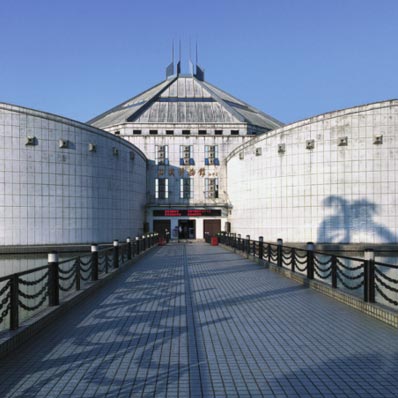
The entrance of the Sea Battle Museum in Humen, Guangdong province, where visitors can get a glimpse of the history of the opium wars. [Photo by Satarupa Bhattacharjya/China Daily] |
Gateway Canton
In the 18th century, Britain was buying tea, porcelain ware and silk from China while selling woolens, watches and forks. But the trade surplus emerged in China's favor. For a while Britain also sold cotton to China but the import fell due to China's own fiber plantations.
By many accounts, that's when opium entered the picture.
To reduce the trade deficit, British merchants "dumped" opium on the Chinese market, according to an exhibit at the Opium War Museum.
"If they wanted to balance the trade they had to bring China something, but they didn't have the products," Wu says.
In the immediate decades before the first phase of the opium wars, an estimated 20,000 boxes (60 kilograms in each) were being annually transported to China. A box of opium would sell between 500 and 800 taels (ancient Chinese currency) of silver in Canton, much higher than what it cost in colonial India.
|
|
|
|
|
|
|
|

Copyright 1995 - . All rights reserved. The content (including but not limited to text, photo, multimedia information, etc) published in this site belongs to China Daily Information Co (CDIC). Without written authorization from CDIC, such content shall not be republished or used in any form. Note: Browsers with 1024*768 or higher resolution are suggested for this site.
License for publishing multimedia online 0108263 Registration Number: 20100000002731 






















 Raymond Zhou:
 Pauline D Loh:
 Hot Pot
 Eco China
 China Dream
 China Face