New era diplomacy to strengthen ties with CEE countries
China-CEE relations need new strategies

Dusan Prorolovic
The 16 + 1 mechanism established in 2012 has produced spectacular results. Today, China's presence in Central and Eastern Europe is increasingly visible in every respect. Also, business leaders, scientists and artists from the CEE countries are discovering China at high speed. For them, this is a huge market, a source of ideas and a generator of cultural impulses.
This dynamic cooperation should continue, because it is of mutual benefit. It will also help achieve the goals set out in Chinese President Xi Jinping's concept of "building a community with a shared future for mankind". The fact that the CEE countries are interested in intensifying cooperation with China is one side of the coin. The other side is that the European Union does not look at it any more favorably.
Until now, the 16 + 1 mechanism has remained a peripheral issue for the EU. But China-CEE relations have started catching the EU's attention. There are two reasons for that.
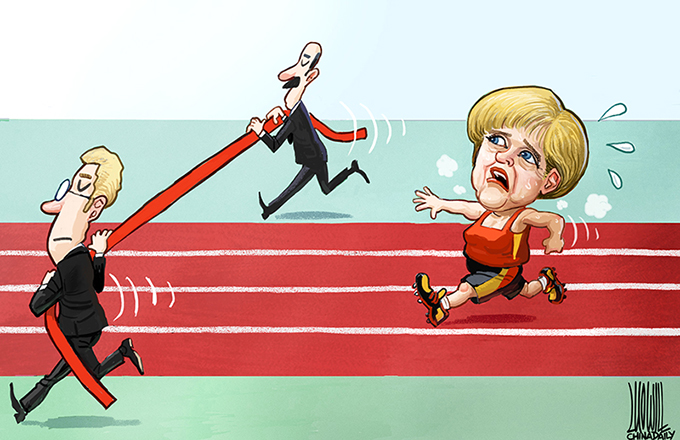
First, the economies of Western Europe are wary of Chinese companies operating in CEE. As long as such Chinese companies were selling textile products and running restaurants in CEE, it was not a problem for the EU. However, when China began exporting sophisticated products to CEE, which are usually cheaper than Western European products, the EU started considering them as a threat. Also, joint ventures by Chinese investors and CEE governments are creating companies that are ready to compete in Western European markets.
Second, better political relations between China and the CEE countries have made Western European countries change their views about China. When defining a relationship with China, the EU insists on issues such as human rights, media freedom and democratic elections, which often leads to disagreement between Brussels and Beijing. The CEE countries do not have political disagreements with Beijing, or have minimized them.
This, Brussels believes, endangers the implementation of a Common EU Foreign and Security Policy. Germany and France are the most affected countries, because they have invested a lot in the definition of a common EU policy. That's why we need to think about new strategies and tactics.
The author is a researcher at the Institute of International Politics and Economics, Belgrade.