Fight against non-communicable disease
Such reports highlight the threat posed by NCDs in low-and middle-income countries. For one thing, more countries are achieving middle-income status, bringing both lifestyle changes that affect the composition of disease burdens and creating a powerful constituency for better health services.
While there is a broad consensus on the need to pay more attention-and deliver more resources-to fighting NCDs, the consensus breaks down when it comes to how to carry out the fight. But everyone agrees on one critical point: adequate funding is needed.
Donors with far more money than the WHO-agencies of the American and European governments, private philanthropies and NGOs-are pursuing the same approach, investing overwhelmingly in efforts to control communicable diseases. Low-and middle-income countries have done the same.
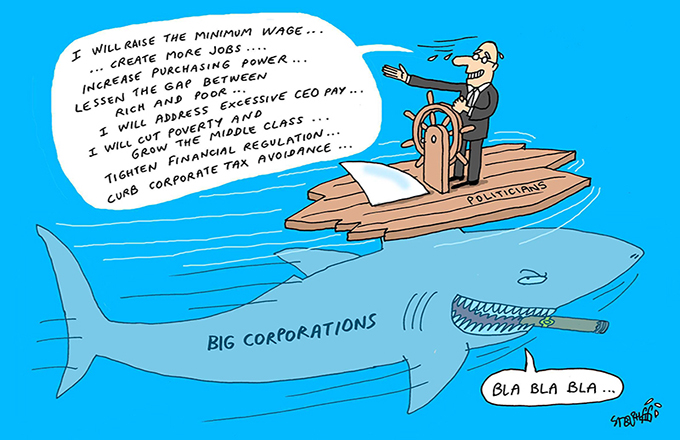
Infectious diseases-immediate and capable of spreading widely thanks to modern transportation-are compelling targets. NCDs-lowly evolving chronic conditions that primarily affect older adults and are unlikely to be resolved with a quick technological fix-are not. The fact that an effective program for tackling NCDs could involve lengthy confrontations with powerful multinational interests (like the food industry) does not help, either.
Nonetheless, the tide may be turning. Advocacy continues to gain traction. A new East African NCD Alliance-a loose coalition of civil society organizations-h(huán)as been created to tackle the challenge in that region. Other groups have also emerged. And, as NCDs command more attention, resources will most likely begin to follow, however slowly.
Of course, at that point, intense disagreements about how to use those resources will surely arise. Prevention will be critical, though, after 60 years of confronting NCDs in advanced countries, it is clear that acute interventions tend to attract more support. In any case, one hopes that something has been learned from our decades of experience in fighting NCDs, and that these lessons can be applied in the more challenging and resource-poor settings of the developing world.
The author is a professor of the History of Medicine at McGill University, Canada Project Syndicate