 |
|
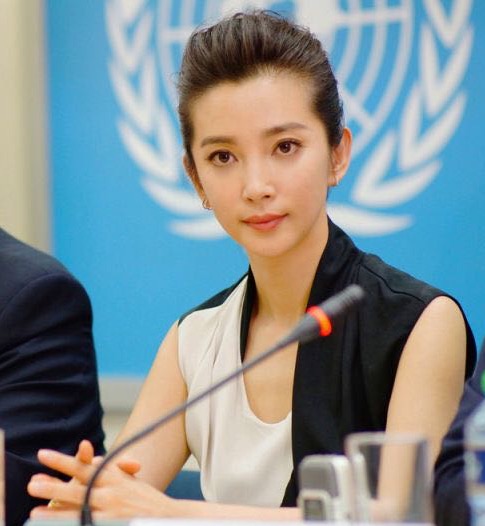
Li Bingbing, a goodwill ambassador of the United Nations Environment Programme. [Photo provided to chinadaily.com.cn] |
Every day, every person on this planet makes many decisions. From the moment we wake up to the time we fall asleep, we make choices that range from what we will wear to how we will get to work and where we will shop. More than a dozen of these decisions are about food: what to eat, where to buy food and how to cook it.
Today, as people all over the world get ready to show their commitment to the health of the planet by turning off their lights for one hour, it has become even more important for us to realize how each of these decisions can have a huge impact on the world we share.
The need for this is as clear as the air we want in our cities. Within the next 35 years there will be an extra 1.5 billion people to feed, each with his/her own dream and aspiration. By 2030, humanity will need the equivalent of two Earths to support itself. This is clearly not viable in a world where climate change will make it even harder for the natural world to provide for our needs.
It is tempting to ignore these problems, partly because we feel that one person cannot make a difference. But we are not alone in this world, and individual action forms part of a greater whole. As Xunzi, the famous Confucian philosopher, once said: "No river or sea can be formed without the streams."
But how can we make our individual streams flow the way they should? A large part of the answer lies in making wise decisions about the things we do every day.
For example, we can think about how and what we eat. I was shocked to learn that it takes more than 16,000 liters of precious water to produce just 1 kilogram of beef. Most of the forests we chop down are destroyed to make way for animal agriculture, which makes meat production the leading cause of species and biodiversity loss. And, as if this wasn't bad enough, the meat industry accounts for almost one-fifth of all the man-made greenhouse gas emissions that drive climate change.
So, something as simple as eating less meat can help save two of the world's most precious resources — our water and our forests — while combating climate change.
We also need to be better at conserving food. Every year, humans throw away about one-third of all the food we produce — about 1.3 billion tons. This is particularly horrifying when you think of the millions of people who don't have enough to eat. By shopping smartly, planning our meals and creatively using our leftovers we can prevent this shocking waste of food, and save money too.



I’ve lived in China for quite a considerable time including my graduate school years, travelled and worked in a few cities and still choose my destination taking into consideration the density of smog or PM2.5 particulate matter in the region.
Copyright 1995 - . All rights reserved. The content (including but not limited to text, photo, multimedia information, etc) published in this site belongs to China Daily Information Co (CDIC). Without written authorization from CDIC, such content shall not be republished or used in any form. Note: Browsers with 1024*768 or higher resolution are suggested for this site.
License for publishing multimedia online 0108263 Registration Number: 130349