Beyond restructuring of SOEs in overcapacity industries, which the government has already embarked on, raising productivity in SOEs would call for mainstreaming better governance to realize higher returns on State capital. Already, the government is getting SOEs to deliver higher dividends, and assigning SOE shares and dividends to pension funds would allow for lower pension premiums, which increases workers' take-home pay and raises demand for labor.
As recognized in the Fifth Plenum, protecting intellectual property rights will gain importance as innovation takes center stage in the country's development. China needs to determine what IPR protection suits its current level of development, but whatever these rights may be, enforcing them in a consistent and impartial manner is crucial for innovation. The government could consider centralizing enforcement of those rights, similar to what was recently decided on enforcement of environmental protection.
Moving to where one is most productive can dramatically increase labor productivity and wages, as China's experience has demonstrated. Also, international experience suggests that enabling people to move to jobs is more conducive to reducing poverty than moving jobs to people. China is already reforming its hukou (household registration) system, and aims to absorb another 100 million migrants in cities by 2020. The joint World Bank Group-Development Research Center study, Urban China, suggests integrating all migrants in cities and giving them access to social services, like South Korea and Japan did during their rapid urbanization phase, is feasible and affordable.
Third is fiscal policy to support demand and reforms.
As structural reforms and institutional innovations are transforming the supply side of the economy, the demand side may need further government support. Export demand growth will remain modest in the coming years, and household consumption will only gradually play a bigger role. Investment growth is likely to further slow down, as lowering leverage in the economy is a priority for reducing risks. Since central government deficits and debt levels remain manageable, fiscal policy can play a more prominent role in supporting demand, and government is already actively using that tool.
Besides, China's transition to a more productive and innovative society is likely to require a considerable number of people to seek new jobs. Supporting them and their families during the transition can help accelerate reforms, and investing in a stronger safety net is a priority.
Finally, current low energy prices and low inflation offer an opportunity to reinforce the government's impressive environmental agenda by better pricing environmental scarcity through higher environmental taxation, such as taxes on coal and fuels. This would foster environmental sustainability and fiscal sustainability alike.
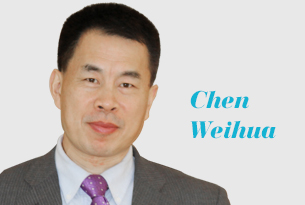
The author is the World Bank country director for China.



I’ve lived in China for quite a considerable time including my graduate school years, travelled and worked in a few cities and still choose my destination taking into consideration the density of smog or PM2.5 particulate matter in the region.
Copyright 1995 - . All rights reserved. The content (including but not limited to text, photo, multimedia information, etc) published in this site belongs to China Daily Information Co (CDIC). Without written authorization from CDIC, such content shall not be republished or used in any form. Note: Browsers with 1024*768 or higher resolution are suggested for this site.
License for publishing multimedia online 0108263 Registration Number: 130349