- Progress has been made in all social undertakings
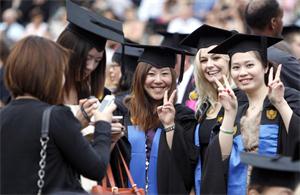
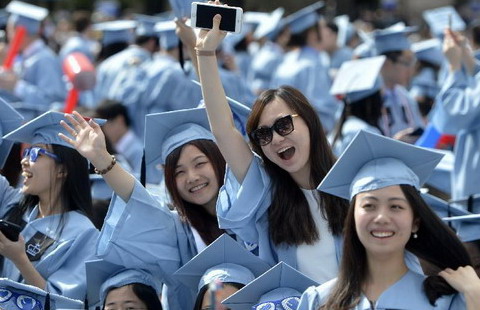
Tibet's education has taken on a new look, and all children can now go to school. Nine-year compulsory education is practiced in all counties in the Region, and a complete modern education system is in place, covering preschool education, basic education, vocational education, higher education, adult education, and special education. Tibet has realized 15-year free education from the preschool stage to senior middle school, fully implemented the nutrition improvement plan for students under compulsory education in agricultural and pastoral areas, and realized 100 percent coverage in terms of both policies and funds. Tibet has covered all tuition, food, and boarding expenses for students from farmers' and herdsmen's families and those from families in urban areas with financial difficulties from preschool education to senior middle school education, and raised the subsidy standard many times to today's 3,000 yuan per student every year. Tibet has launched the campaign to provide three-year bilingual education for preschool children in urban areas, and two years for those in agricultural and pastoral areas. At the end of 2014, there were more than 80,000 children in kindergartens, and the gross enrollment rate for preschool education had reached 60 percent; there were six higher education institutions, nine secondary vocational schools with 17,000 students, 22 senior middle schools, four six-year middle schools, 93 junior middle schools, three nine-year education schools, three 12-year education schools, and 829 primary schools. The primary school enrollment rate reached 99.64 percent among school-age children, the illiteracy rate among young and middle-aged people fell to less than 0.57 percent, and the average length of education reached 8.6 years for the Region's general population and above 12 years for the newly-increased working population. Since the central government adopted the strategy in 1984 of "cultivating talent for Tibet in other parts of China," Tibetan schools and classes in 21 provinces and municipalities directly under the central government have cultivated more than 32,000 graduates from junior colleges and secondary technical schools for Tibet. Tibet has now cultivated its own postgraduate and Ph. D. students, built almost 30 scientific research institutions, compiled a group of renowned experts and scholars, and an army of 69,709 professionals in such areas as history, economics, demographics, languages, religion, agriculture, animal husbandry, forestry, ecology, biology, Tibetan medicine, salt lakes, and geothermal and solar energy. Tibet tops China in areas such as Tibetan studies, plateau ecology, and Tibetan medicine, and boasts academic achievements of world influence.



I’ve lived in China for quite a considerable time including my graduate school years, travelled and worked in a few cities and still choose my destination taking into consideration the density of smog or PM2.5 particulate matter in the region.
Copyright 1995 - . All rights reserved. The content (including but not limited to text, photo, multimedia information, etc) published in this site belongs to China Daily Information Co (CDIC). Without written authorization from CDIC, such content shall not be republished or used in any form. Note: Browsers with 1024*768 or higher resolution are suggested for this site.
License for publishing multimedia online 0108263 Registration Number: 130349