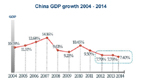
China's economic growth is crucial, not only to hundreds of millions of Chinese, but also to the rest of the world, which has become increasingly dependent on it. But it is especially pressing for those millions of people in rural areas in the western part of the country, who have benefitted comparatively less from the country's economic growth and prosperity.
In this context, a sustainable social balance and nationwide stability are important elements to consider as well, given that major demographic shifts are expected to continue. As more cities face urban pollution related to energy consumption derived from fossil fuels, there is an urgent need to develop cleaner energy sources that are more sustainable in the long run.
Interestingly, it is via industrialized farming that perhaps some of the biggest opportunities can be created for sustainable energy and materials sources. The waste generated by a modern Chinese agri-food business would open the door to second generation advanced biofuels and bio-based materials on a grand scale while sustaining food production. The latest bio-waste conversion technology can process agricultural waste, instead of the edible carbohydrate component of the plant, and therefore presents no competition in the food supply chain. A large-scale Chinese biofuel industry is an area where China could one day claim leadership, as its waste will only increase with further urbanization.
But at the heart of the opportunities to address the problems arising from China's economic growth and consequent urbanization lies a fundamental shift in the way the nation generates its wealth. To find new routes to growth and solutions to the challenges it faces, China must move gradually, but decisively, toward becoming an economy in which innovation is at the center.
To some extent, this is already beginning. Chinese universities are delivering large numbers of scientists and technicians. An innovation-driven approach implies a transformation in mindset that can prevent established ways of doing things from stifling change at every level. A shift to an economic growth model with innovation as one of the core drivers implies several adjustments. It will require China to embrace a concept of open innovation via strong international and private-public partnerships.
This will also demand stronger and more enforceable patent laws to protect the commercial value of China's innovations. Already today there are areas in which China is issuing more patents, even at the European Patent Office, than all European countries combined, such as in certain areas of biotechnology. Greater respect for patents is now very much in China's own best interest.
China's leadership has been courageous enough to understand that it cannot rely on its existing strengths to determine the nation's future. It is already taking the bold steps that are needed to instill a culture of innovation and sustainability at all levels. These will enable it to consolidate its remarkable gains and reap the opportunities that lie ahead.
China is entering its fourth phase in its modern economic development after Deng Xiaoping opened up the country. In the first phase, China was seen as a potentially huge market to sell products. In the second phase, China started producing products and became a strong competitor. In the third phase, its manufacturing position was further strengthened by Western companies producing in China as well. In this fourth phase, innovation will be added to the nation's strength in manufacturing.
Feike Sijbesma is CEO and chairman of Royal DSM and Cheng Siwei is dean of the School of Management at the University of Chinese Academy of Sciences and former vice-chairman of the Standing Committee of the National People's Congress.
 Considering money as the end is the tragedy

Copyright 1995 - . All rights reserved. The content (including but not limited to text, photo, multimedia information, etc) published in this site belongs to China Daily Information Co (CDIC). Without written authorization from CDIC, such content shall not be republished or used in any form. Note: Browsers with 1024*768 or higher resolution are suggested for this site.
License for publishing multimedia online 0108263 Registration Number: 130349