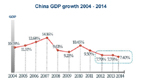
Three factors will shape the structural transformation of the Chinese economy in the future.
The rise of labor costs in China will be faster than many developing countries for many years to come. By 2030, the working-age population in China will decrease by nearly 10 percent, while the working-age population will rise by 17 percent in India, 15 percent in Indonesia and 4 percent in Vietnam.
The deceleration and relocation of China's labor-intensive industries to other countries are an irreversible trend. It is unrealistic and unsustainable to "save" some lower-end manufacturing industries through short-term stimulus policies. Another important aspect of the demographic factor is the aging of the population. In the coming 16 years, the old age population (defined as age 60 years or above) in China will increase by 70 percent. Medical expenditure incurred by the elderly is four to eight times that of young people. Obviously, in the coming decades, the health industry will grow much faster than the overall economy.
And consumers' preferences are changing. China's per capita GDP has already hit $7,000. International experience shows that after a country's per capita GDP surpasses this threshold, consumer preference tends to shift rapidly away from manufactured goods to services. The service sector's share in GDP in many developed economies rose 10 percentage points while their per capita GDP grew from $7,000 to $20,000. China will not be an exception. Therefore, healthcare, education, information technology, sports, and the cultural and entertainment industries will all enjoy great potential for rapid growth. Real estate, the automobile industry and the construction materials' industry, on the other hand, will likely face a prolonged period of profit deceleration and weaker investment in the medium and longer run.
The popular demand for cleaning up the environment and tackling the food security issue have also become a major driving force for restructuring the economy. The proportion of heavy, polluting industries in economy will decrease. Cleaner energies will replace conventional coal to cut emissions. And public transportation, especially subways, should and will see rapid growth, as it is an important way to fight air pollution and reduce traffic congestion.
The author is chief economist with the People's Bank of China.


Copyright 1995 - . All rights reserved. The content (including but not limited to text, photo, multimedia information, etc) published in this site belongs to China Daily Information Co (CDIC). Without written authorization from CDIC, such content shall not be republished or used in any form. Note: Browsers with 1024*768 or higher resolution are suggested for this site.
License for publishing multimedia online 0108263 Registration Number: 130349