A number of local governments are planning to lift restrictions previously imposed on the purchase of properties. While the move will provide a much-needed boost to the market, it is hard to improve the fundamentals of the sector.
The property market has become bearish since early this year. In June, the average prices of 100 major Chinese cities dropped by 0.5 percent month-on-month, according to the China Index Academy. It is the second consecutive month prices have fallen.
The downturn has worried both developers and local governments since the latter are heavily dependent on revenues related to property development and sales.
The intervention into the market by some local governments shows that the situation in the real estate market has become quite severe. But will their intervention bail out the developers?
China's home prices have been rising at a fast pace in the past decade, forcing the central government to devise restrictive policies aimed at slowing the rising momentum. Measures to rein in the overheating housing market include higher mortgage rates and limits on how many homes each family can buy.
Similar measures have frequently been put in place in the past, but they have failed to stop price rises in the past decade - until recently.
For one thing, home prices have risen to a level that is unaffordable for many ordinary families. Demand has been on the decline as prices have risen.
For another, the overall macroeconomic situation is not favorable for developers. The slowing Chinese economy, coupled with tight credit, has strained the real estate market, making some developers cut prices as a stop-gap measure, which in turn has made potential buyers even more hesitant to make decisions.
It is fair to say that even without those restrictive policies in place, it would be difficult for developers to sell their properties at current prices. The prices of some projects in major cities, such as Beijing and Shanghai, have risen by about 10 times in the past decade. There has not been much room for another surge in sales.
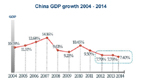
Moreover, the slowing economy and the widespread expectation of a new "economic norm" of sustained slower growth constitute the biggest hurdle for property sales. Unlike some years ago, when people talked about how much more the prices of their properties might rise, people are now discussing whether the market downturn spells a real estate Armageddon that will trigger a full-blown economic crisis in China.
The changing economic fundamentals have changed people's general expectations for the real estate sector. It is similar to what happened in 2008, when the global financial crisis battered the Chinese economy and suddenly demand for real estate seemed frozen and sales slumped.
During the global financial crisis, the central government took jaw-dropping stimulus measures to bail out the national economy, which also saved the real estate sector.


Copyright 1995 - . All rights reserved. The content (including but not limited to text, photo, multimedia information, etc) published in this site belongs to China Daily Information Co (CDIC). Without written authorization from CDIC, such content shall not be republished or used in any form. Note: Browsers with 1024*768 or higher resolution are suggested for this site.
License for publishing multimedia online 0108263 Registration Number: 130349