Second, by reforming the hukou system, China could increase productivity of its labor force, accelerate urbanization and reduce income inequality. Despite rapid urbanization, China's urban population is still lower than the country's development level would suggest. Moreover, one-third of city dwellers do not have urban hukou, and they and their families have limited access to public services. The hukou system effectively discourages migration to cities, holding back China's transformation and keeping too many people working the land in agriculture, which keeps agricultural labor productivity and wages low.
There indeed are bottlenecks in service delivery in Chinese cities. But in the past, rapidly urbanizing countries such as Japan and South Korea did manage to expand public services without restricting people's mobility. The World Bank-DRC report says China could do the same by linking public services to an individual's place of residence rather than his/her place of origin. Making it easier to migrate would not just provide more people with better job opportunities in cities, it would also accelerate agricultural transformation, as fewer workers on the land will require new techniques that increase labor productivity and wages of those that decide to stay.
Finally, when migrants' children can join their parents in cities and get good education, it will create for them better opportunities to escape poverty.
To enable land and hukou reforms, China first has to comprehensively reform its fiscal system. With stronger land rights for farmers, cities would lose the revenues from land conversion. At the same time, providing more and better public services to migrants will cost them more than before. So cities will need new revenue sources. The best sources of revenue for local governments are those that are imposed on people that reap the benefits from cities - and a property tax or a local surcharge on personal income taxes would fit the bill.
Moreover, environmental charges and levies, such as higher motor vehicle license fees, pollution charges and higher cost recovery on utilities will not only raise more revenue, it can also address urban environmental problems.
More efficient, compact cities can also yield major savings. At the current rate, China's cities will spend about $5.3 trillion on infrastructure over the next 15 years. But with more efficient, denser cities, China can save some $1.4 trillion on infrastructure spending - or 15 percent of last year's GDP. This could be used to finance the expansion of healthcare, education and low-income housing that migrants need to settle in cities.
Making the shift from physical expansion of cities and infrastructure to delivering services to Chinese citizens will truly be the people-oriented urbanization the authorities are looking for, and China's poor will stand to gain most from that shift.
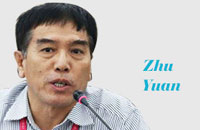
The author is the World Bank chief economist for the East Asia and Pacific Region.
(China Daily 04/17/2014 page9)
 New type of urbanization is in the details

Copyright 1995 - . All rights reserved. The content (including but not limited to text, photo, multimedia information, etc) published in this site belongs to China Daily Information Co (CDIC). Without written authorization from CDIC, such content shall not be republished or used in any form. Note: Browsers with 1024*768 or higher resolution are suggested for this site.
License for publishing multimedia online 0108263 Registration Number: 130349