However, this growth has come with, and its maintenance will be challenged by, costs and constraints. The productivity increases over the coming decades are severely constrained by limited availability on a per capita basis and the shortages in land and water resources, which also make the marginal production costs very high. This explains why the Chinese leadership repeatedly encourage the contribution of technical innovations and a sustainable path of modernized farming.
With its reformed food security strategy, China as a major food importer will become rather predictable, thus contributing to the stabilization of the world food market, which is an important dimension of global food security.
The world food market has witnessed noticeable developments in past decades. With the end of the Cold War, the global food market has evolved toward greater openness and transparency, particularly since the global food price crisis of 2007/08. International efforts have been made to enhance food market transparency and encourage coordination of policy action in response to market uncertainty. The establishment of the Agricultural Market Information System by the G20 aims to strengthen collaboration and dialogue among the main producing, exporting and importing countries, and to reach out to other key stakeholders in international food markets such as commodity associations and institutional investors in commodity markets.
However, agricultural investment in developing countries with high production potential - where substantial increases are needed to ensure food security and environmental sustainability - has declined sharply in the past few decades.
Thus China can tap its edges in helping the world meet the first of Millennium Development Goals to reduce the global proportion of people who suffer from hunger by half by 2015. China could leverage its proven track record of agricultural growth and appropriate technologies with go-out investment strategies to increase engagement with the international food supply chain, tapping production potential and therefore increasing food availability globally.
In piloting overseas investment in agriculture, China should observe the guiding principles for responsible investments in agriculture and food systems initiated by the G20 and further developed by the FAO, which include among other things: existing rights to land and associated natural resources are recognized and respected; investments do not jeopardize food security but rather strengthen it; processes relating to investment in agriculture are transparent, monitored, and ensure accountability by all stakeholders, within a proper business, legal, and regulatory environment; and environmental impacts of a project are quantified and measures taken to encourage sustainable resource use, while minimizing the risk and magnitude of negative impacts and mitigating them.
The author is a senior economist with the Food and Agriculture Organization of the United Nations.
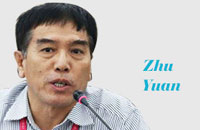 New type of urbanization is in the details

Copyright 1995 - . All rights reserved. The content (including but not limited to text, photo, multimedia information, etc) published in this site belongs to China Daily Information Co (CDIC). Without written authorization from CDIC, such content shall not be republished or used in any form. Note: Browsers with 1024*768 or higher resolution are suggested for this site.
License for publishing multimedia online 0108263 Registration Number: 130349