Emerging equity markets have risen 5-10 percent since the start of September in a relief rally as US bond yields have declined and expectations of the first increase in the Federal Reserve rate have been deferred to 2015. Nevertheless, because some of these markets are hostage to foreign flows and sentiment, long-term investors are likely to shift asset allocations from markets with weaker fundamentals to those with more robust foundations.
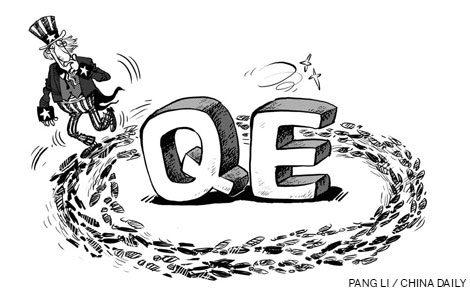
The Fed's surprise decision to postpone the unwinding of its quantitative easing (QE) monetary policy may provide a temporary boost, but it will not change these underlying trends.
From an equity investor's standpoint, financial conditions in Asia tightened considerably during the second quarter of this year as foreign liquidity injections into the monetary base slowed or - in the case of Indonesia - declined. Rather than offsetting this tightness in foreign liquidity, policymakers in India, Indonesia and Turkey have compounded the deterioration in the third quarter by tightening domestic liquidity conditions. These policies have the effect of sacrificing growth to support exchange rates.
While the policies are likely to be belatedly reversed, potentially triggering a turnaround in the outlook of markets, this may not happen soon enough to prevent a slowdown in economic and earnings growth.
Foreign investors are overweight on Indian and Turkish equities, and neutral on Indonesia. Conversely, they are neutral on Indonesian and Turkish bonds. This implies that significant foreign capital may still flow out of India and Turkey, benefiting economically stronger markets including the Philippines, Malaysia and Taiwan.
Policymakers' decisions to tighten domestic liquidity through measures such as raising the cost of borrowing from the central bank (in India and Turkey) and increasing base rates (in Indonesia) is rooted in fears over inflation and the funding of current account deficits.
 New type of urbanization is in the details

Copyright 1995 - . All rights reserved. The content (including but not limited to text, photo, multimedia information, etc) published in this site belongs to China Daily Information Co (CDIC). Without written authorization from CDIC, such content shall not be republished or used in any form. Note: Browsers with 1024*768 or higher resolution are suggested for this site.
License for publishing multimedia online 0108263 Registration Number: 130349