End of multilateralism and WTO?
Pascal Lamy's term as director-general of the World Trade Organization is likely to end without further progress on the implementation of the Doha Development Agenda. This means he will complete eight years as the head of the world's most powerful trade body without achieving its most ambitious objective.
Lamy has blamed the geopolitical repercussions of the rise of emerging economies such as China, India and Brazil for the deadlock in international trade and climate change talks. He argues that the lack of consensus on balancing benefits and contributions between the emerging economies on one hand and the advanced economies such as the United States, Europe and Japan on the other, is leading to continuation of the deadlocks.
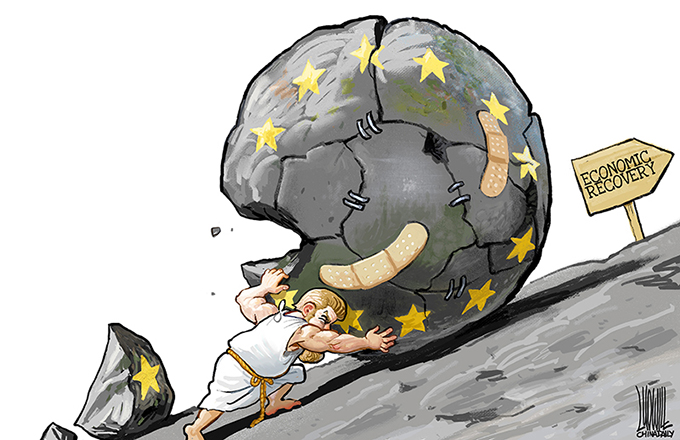
The almost unbridgeable gap between the two groups is much more than a stumbling block in trade talks. It signals the inability of multilateralism to produce global trade solutions. It also casts a grave shadow over the effectiveness and future of the WTO.
Trade negotiations, whether multilateral or regional, eventually boil down to giving up some degree of existing market access in exchange for fresh access. The negotiations leading to the formation of the WTO provide enough examples of such accesses being traded off. Emerging economies do not have identical views on all trade-offs. This is because of their different comparative advantages in world trade. China's views, for example, would differ from those of Brazil, India, or Thailand in market access for specific agricultural commodities, depending on which country wants more access in what commodities and how much access they want to give up in particular products.
Notwithstanding these differences, at the WTO, emerging economies have often come together to oppose the advanced economies. The opposition has been inspired by the common political desire to prevent advanced countries from implementing their agenda. In other negotiations, such as those on regional trade agreements, emerging economies often lock horns with each other over specific market access issues. While the political goal of blocking the agendas of the advanced economies do not apply to these negotiations, country-specific political considerations, such as the interests of particular producers and business lobbies, do influence talks.