Huizhou Woodcarving
Updated: 2007-08-16 09:16
** Confucianism & Folk-Customs Carved in Huizhou Wood
From the very beginning, Huizhou Woodcarving has been laden with distinguished cultural values that are connected with folk customs. For this reason, scholars dubbed the works of Huizhou Woodcarvings as "an epitome of Huizhou culture." Most of them can be read as an embodiment of Confucianism in view of the subjects widely used in woodcarvings such as loyalty, harmony, forbearance, and academic achievements.
Among the Confucian ideas, filial obedience was the core concept of feudal moral principles. A case in point is the window carvings entitled "the 24 Filial People," which can be found in many existing old buildings. The simple and vividly portrayed images and stories helped spread moral ideas among ordinary Chinese.
Besides, the worship of kings and emperors was another theme reflected in Huizhou woodcarvings, which embodied local people's hope for wise and capable feudal rulers who could grant them better living conditions.
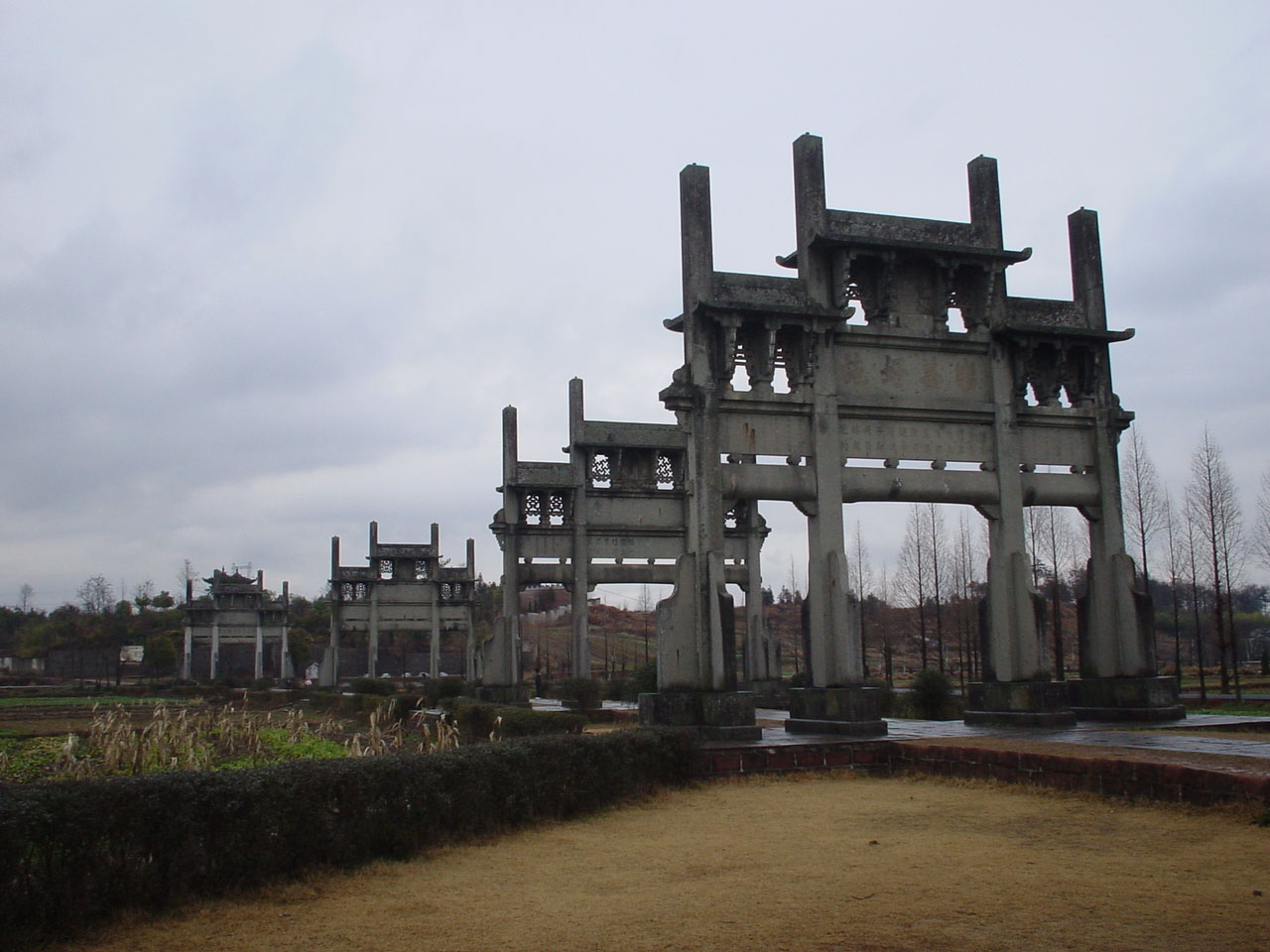
The concept of a harmonious and all-generations-under-one-roof lifestyle was equally valued in ancient Huizhou. Thus, on wood archways and beams there largely exist the engraved cheerful images of family life shared by different generations.
From the very beginning, Huizhou Woodcarving has been laden with distinguished cultural values that are connected with folk customs. For this reason, scholars dubbed the works of Huizhou Woodcarvings as "an epitome of Huizhou culture." Most of them can be read as an embodiment of Confucianism in view of the subjects widely used in woodcarvings such as loyalty, harmony, forbearance, and academic achievements.
Among the Confucian ideas, filial obedience was the core concept of feudal moral principles. A case in point is the window carvings entitled "the 24 Filial People," which can be found in many existing old buildings. The simple and vividly portrayed images and stories helped spread moral ideas among ordinary Chinese.
Besides, the worship of kings and emperors was another theme reflected in Huizhou woodcarvings, which embodied local people's hope for wise and capable feudal rulers who could grant them better living conditions.
The concept of a harmonious and all-generations-under-one-roof lifestyle was equally valued in ancient Huizhou. Thus, on wood archways and beams there largely exist the engraved cheerful images of family life shared by different generations.
Meanwhile, notions of forbearance and conciliation were also depicted in Huizhou woodcarvings. One popular story applied to this kind of woodcarving was associated with the minister Zhang Gongyi of the Tang Dynasty (618-907).
A legend goes that when the Tang Emperor Gaozong asked Zhang Goingyi how the latter's family members from nine generations could manage to live under one roof peacefully, Zhang presented the emperor with a paper scroll written in 100 Chinese characters of ren, which means forbearance or conciliation. Afterwards, Zhang and his households were praised for being a "model family" and awarded with gold and jewelry in that their moral idea and practices were vital to the stability and prosperity of feudal society.
In addition, the ideal of diligence and academic achievement is also popular among Huizhou woodcarvings, for in feudal society academic merits could lead to high official posts that could bring about honor, power, and fortune.
What's more, a large number of Huizhou woodcarvings drew inspiration from mythical legends and classical Chinese literature like Xixiang Ji (Romance of West Chamber), Shi Yu Zhuo (Love Story Behind a Jade Bracelet), and San Guo (Romance of Three Kingdoms).
Commonly visualized folk customs in Huizhou woodcarvings included the "coming-of-age ceremony" when a young man was recognized as an adult and could wear a hat, or when a young girl was recognized as a woman and her parents could consent to a marriage proposal. The local themes as such were commonly related to the traditional ideal of happiness, fortune, and longevity. Animals like bats, deer, toads, and cranes are vividly carved for they were auspicious symbols in the eyes of Chinese people.
Huizhou-style Woodcarving Technique
Aside from cultural depth, Huizhou Woodcarving is also noted for its well-honed carving skills. As an art for decorating residential buildings, the handicrafts incorporate varied technical methods like low relief, high relief, full relief, and concave relief.
A legend goes that when the Tang Emperor Gaozong asked Zhang Goingyi how the latter's family members from nine generations could manage to live under one roof peacefully, Zhang presented the emperor with a paper scroll written in 100 Chinese characters of ren, which means forbearance or conciliation. Afterwards, Zhang and his households were praised for being a "model family" and awarded with gold and jewelry in that their moral idea and practices were vital to the stability and prosperity of feudal society.
In addition, the ideal of diligence and academic achievement is also popular among Huizhou woodcarvings, for in feudal society academic merits could lead to high official posts that could bring about honor, power, and fortune.
What's more, a large number of Huizhou woodcarvings drew inspiration from mythical legends and classical Chinese literature like Xixiang Ji (Romance of West Chamber), Shi Yu Zhuo (Love Story Behind a Jade Bracelet), and San Guo (Romance of Three Kingdoms).
Commonly visualized folk customs in Huizhou woodcarvings included the "coming-of-age ceremony" when a young man was recognized as an adult and could wear a hat, or when a young girl was recognized as a woman and her parents could consent to a marriage proposal. The local themes as such were commonly related to the traditional ideal of happiness, fortune, and longevity. Animals like bats, deer, toads, and cranes are vividly carved for they were auspicious symbols in the eyes of Chinese people.
Huizhou-style Woodcarving Technique
Aside from cultural depth, Huizhou Woodcarving is also noted for its well-honed carving skills. As an art for decorating residential buildings, the handicrafts incorporate varied technical methods like low relief, high relief, full relief, and concave relief.