 |
|
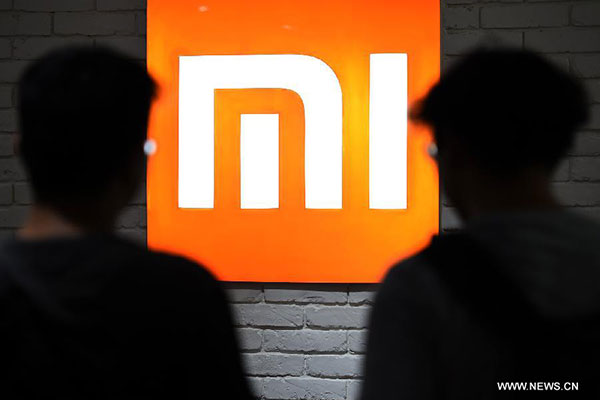
Reporters visit the first Xiaomi store opened in Taipei, China's Taiwan, Aug 6, 2015.[Photo/Xinhua] |
Aside from its low price, Xiaomi's popularity can be explained by its innovative MIUI OS which was more smooth than the original Android OS.
As Xiaomi took the phone market by storm, it continually looked to the future and now offers a diverse range of Internet of Things products that interact with its mobiles including an air purifier, bathroom scales, blood pressure monitors, light bulbs, TVs and a webcam.
The success of Xiaomi and DJI boils down to continually reinventing themselves. The search for new technology and new ideas has become a palpable tide in China as the era of cheap labor and fast exports is washed away.
Innovation was put in first place in China's plan for the next five years, a plan with the grand goal of doubling 2010 GDP and per capita income of both urban and rural residents.
The government set aside 40 billion yuan last year to nurture startups. In the first three quarters of 2015, 10,000 new companies were registered each day.
As China becomes prosperous and more families, even those from rural backwaters, have access to higher education, people are becoming more confident risk-takers. Stable government jobs have gradually lost their shine with the chance of making a new product and reaping rich rewards within the reach of many.
In 2014, venture capitalists pumped a record 100 billion yuan into startups. The figure for 2011 was 30 billion yuan, but there is still ample room for improvement.
Despite being the world's second biggest gross R&D spender behind the United States, China still lags behind developed countries which normally spend 3 to 4 percent of their GDP on R&D. Last year, expenditure in research and development reached 1.3 trillion yuan, up 9.9 percent from 2014, and more than 2 percent of GDP, only the second straight year above the 2-percent mark.


Copyright 1995 - . All rights reserved. The content (including but not limited to text, photo, multimedia information, etc) published in this site belongs to China Daily Information Co (CDIC). Without written authorization from CDIC, such content shall not be republished or used in any form. Note: Browsers with 1024*768 or higher resolution are suggested for this site.
License for publishing multimedia online 0108263 Registration Number: 130349