Comments
  Print
Print  Mail
Mail  Large Medium Small
BEIJING - Less tax for small businesses and more financial support for local government are on the cards as the Chinese leadership considers to start reforming the fiscal system.
On August 1, the turnover tax was replaced by a value-added tax (VAT) ?in the transportation industry and six service sectors.
VAT and turnover tax were suspended for businesses with monthly revenue below 20,000 yuan ($3,257) on August 1, benefiting more than 6 million enterprises.
The VAT refers to a tax levied on the difference between a commodity's price before taxes and its cost of production, while turnover tax refers to a levy on a business's gross revenues.
The reform reduced taxes by over 50 billion yuan for small businesses in pilot regions in the first half year. Billions in tax reductions are expected when the reform expands nationwide.
Fiscal reform is crucial to China's economic overhaul, said Yang Zhiyong, a researcher at the Institute of Finance and Trade Economics of the Chinese Academy of Social Sciences (CASS).
Over-reliance on land sales for fiscal revenue and poor real estate market control are at the heart of changes to the tax system, Yang added.
The current fiscal system was established in 1994, and delegated powers to local governments while reinforcing the central government's sway on the macroeconomy. The system has to be improved as many cash-strapped local governments now face debt problems, Yang said.
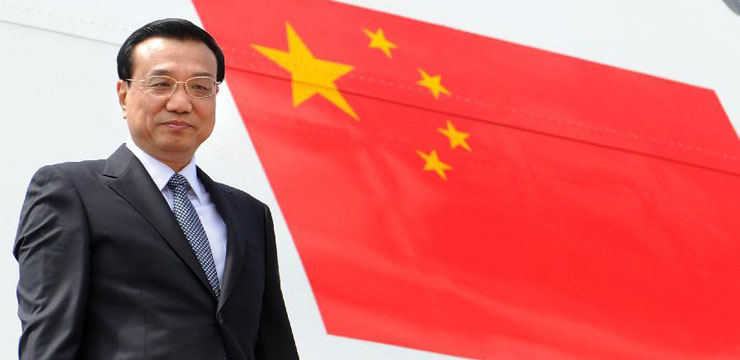
The upcoming Third Plenary Session of the 18th Central Committee of the Communist Party of China (CPC) is certain to bring about further fiscal reform, with Premier Li Keqiang expecting ministries to roll out new tax plans.
Finance Minister Lou Jiwei said in August that changes to tax on business turnover, consumption, resources and property will continue in the name of economic development.
One major issue is enhanced budget disclosure and budget performance management. Supervision of how the government meets the budget target is vital, according to Bai Jingming, deputy director of the financial sciences institute at the Finance Ministry.
The top Chinese fiscal regulator in late August issued a timetable for disclosing budgets and final accounts for governments above the county-level before 2015, while the State Council, China's cabinet, issued a similar timetable for disclosure of spending on receptions. vehicles and overseas trips.
A flat fiscal pattern and more fiscal support for governments of cities and towns can increase growth, Bai added.
Meanwhile, the personal income tax, resource tax and property tax are expected to be amended to improve income distribution and slow down ?runaway housing prices.
The key in reforming fiscal systems is balancing the government and the market, Yang Zhiyong said, "more rational and clearer roles will enable them each to boost the economy."
Challenges remain for China's fiscal progress from interest groups and the public, said Prof. An Tifu, a finance expert with Renmin University.
"Once reform is outlined, the government will have more resolve and take concrete steps to carry it out," An said.

Copyright 1995 - . All rights reserved. The content (including but not limited to text, photo, multimedia information, etc) published in this site belongs to China Daily Information Co (CDIC). Without written authorization from CDIC, such content shall not be republished or used in any form. Note: Browsers with 1024*768 or higher resolution are suggested for this site.
License for publishing multimedia online 0108263 Registration Number: 20100000002731