Inflation putting heat on govt
By Mark Hughes (China Daily)
Updated: 2011-03-07 07:45

It was 25 C below zero when grandpa Wen, as China's premier is affectionately known, visited the heart of the Xilingol pasture in the autonomous region of Inner Mongolia to greet herders in their homes on New Year's Day.
During the trip he also inspected commodity supplies and prices at a local supermarket. Freezing cold as it was, what he could not have failed to notice was that economically, and therefore politically, things were heating up.
| ||||


Food prices soared 10.3 percent in January on an annual basis, and the prices of grain saw an increase of 15.1 percent. Fruit prices increased by 34.8 percent and the price of vegetables rose 2 percent.
As every leader knows, one of the things people care passionately about is how much they have got in their pocket and what they can afford to buy or save. They also need to eat. And, of course, gasoline comes in handy. China raised the price of fuel by 350 yuan ($53) a metric ton on Feb 20. The adjustment was the first this year but the second one in two months. It increased the benchmark retail price of gasoline by as much as 0.28 yuan a liter and diesel by 0.3 yuan a liter.
On top of all this, there has been little sign that house prices will take a tumble. In a city such as Beijing, where it's not unusual to fork out 3 million yuan for a small apartment and white collar workers are lucky to earn 10,000 yuan a month, any feelings of powerlessness they possess can well be understood.
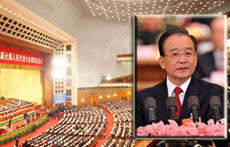
People were getting uneasy. Appeasing words were required and Wen Jiabao delivered them after checking the prices of daily necessities at the supermarket in Xilinhot city.
"The central government has taken a slew of steps to stabilize prices. We will put it higher up on our agenda," he told his audience.
That sentiment is expected to take form as he attends the annual session of the National People's Congress.
The People's Bank of China, China's central bank, has increased reserve rates for banks eight times in the past 12 months and hiked interest rates three times since October in an attempt to reduce the amount of liquidity in the economy.
The liquidity is largely caused by China's trade surplus, something it is trying to lessen by reducing exports, increasing imports and tickling domestic consumption. Inflation feeds on liquidity like a whale gorges on shoals of krill. If the krill can be hidden, the whale will sicken and die.
China's inflation-control target is 4 percent for 2011. There are many from around the world watching to see what comes out of the current political process - because these days, if China sneezes, the rest of the world catches a cold.