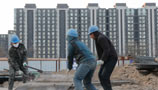
There are examples of cities in the United States that tried to offer free Wi-Fi. In Philadelphia, EarthLink reached an agreement with the municipal government in 2006, according to which they would make the largest Wi-Fi net at that time and provide Wi-Fi services to locals. However, the users never reached the expected number and in 2008 EarthLink had to withdraw from the program, as well as similar programs with Corpus Christi of Texas and Milpitas of California. Its failure sent a warning that there are many prerequisites when the "for free" mode is being employed in building smart cities.
 |
|
 |
Of course, the job won't be finished in a day. Therefore the government should concentrate on building long-term effective mechanisms for them to interact in a win-win way. In details, its responsibilities include coding policies on matters such as taxes or subsidies, overall designations such as dividing cities into zones and granting them different features, and supervision to make sure the rules are obeyed by all. That will not only be helpful in building smart cities, but in the process it will also deepen the reform transforming the role of government.
The author is a professor at School of Economics and Management, Tongji University. This piece first appeared on Dongfang Daily.
|
 |
 |

Copyright 1995 - . All rights reserved. The content (including but not limited to text, photo, multimedia information, etc) published in this site belongs to China Daily Information Co (CDIC). Without written authorization from CDIC, such content shall not be republished or used in any form. Note: Browsers with 1024*768 or higher resolution are suggested for this site.
License for publishing multimedia online 0108263 Registration Number: 20100000002731