



Chinese electric buses bring cleaner ride to Buenos Aires









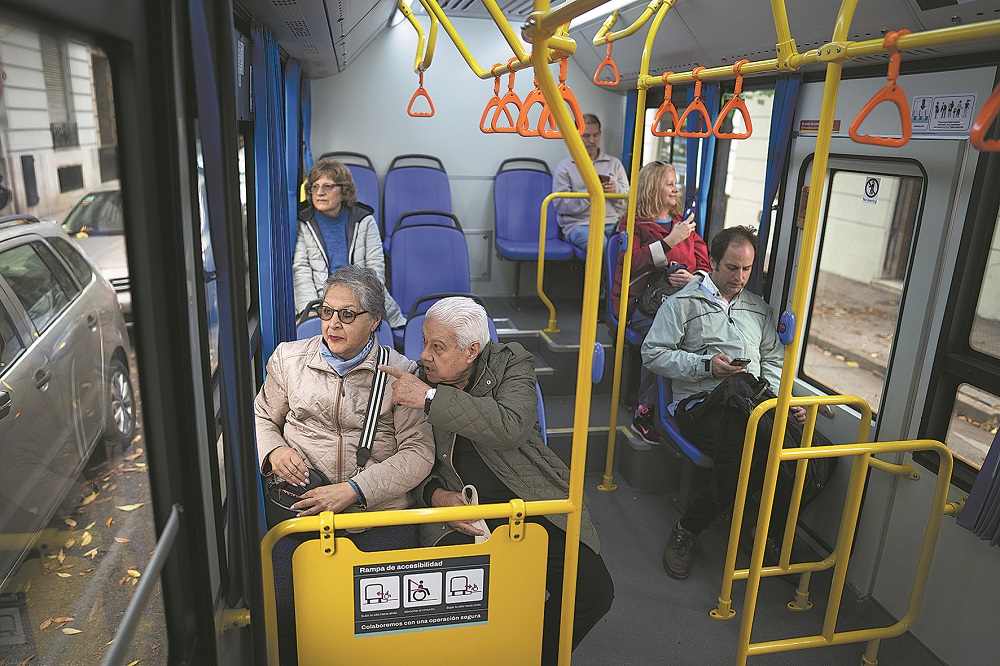
On a crisp August morning, the Ebus glides silently past cobblestone streets and 19th-century facades in San Telmo, a stark contrast to the diesel rumble that has long defined Buenos Aires' bus system. Passengers chat without raising their voices. The only sound from the compact, bright-blue vehicle is the occasional toot of its distinctive horn.
The Chinese-made electric buses, introduced two months ago on a trial basis, are part of a small but significant step toward a cleaner, quieter transport system in Argentina's capital.
The city purchased 12 of the vehicles, each with just 12 seats and space for about 17 standing passengers, less than half the capacity of a traditional bus. The route begins in Puerto Madero and ends at Plaza San Martin, connecting key downtown neighborhoods such as Monserrat and San Nicolas while avoiding major avenues.
"It feels like driving a car — it's light and simple," said driver Carla Gonzalez, one of several women hired for the service in a push for greater gender equality in a male-dominated sector.
The 12 electric buses were purchased in early 2025 from Yangzhou Asiastar Bus, a manufacturer based in Jiangsu province in eastern China.
According to official information, the vehicles were shipped in two batches between January and February, covering nearly 20,000 kilometers on their journey to Buenos Aires.
The transaction was executed via a competitive tender process in a deal worth about $2.8 million. These minibuses feature a low-floor design and basic safety features.
The vehicle's size and features set it apart. With air conditioning, heating and a still fresh "new bus" smell, it has more in common with a tourist shuttle than the city's traditional colectivos, the city's iconic diesel buses. For commuters, the ride offers different comforts, not just in amenities but in the absence of noise and fumes.
"It's a smoother trip, and you don't leave smelling like exhaust," one passenger commented upon arriving at Plaza San Martin.
As of now, no definitive decision has been announced on follow-up purchases. The electric vehicles are part of a trial program initiated by the city, and authorities say they are closely monitoring the performance and public response.
Meanwhile, the city launched a separate tender at the end of 2024 for the acquisition of 74 additional electric buses, 59 standard units seating between 70 and 85 passengers each, plus 15 articulated buses capable of carrying more than 120 people.
Chronic challenges
Buenos Aires has struggled for years with chronic challenges in its network of buses.
The province's public ombudsman has highlighted excessive passenger loads, long wait times and deteriorating travel conditions as recurring grievances.
City officials say the current Ebus project is still experimental.
"We are monitoring performance and may extend the route to Caminito in La Boca, depending on public response and operational results," the Ministry of Urban Mobility said in a statement.
For the first month of the project, rides were free. Passengers now pay the standard 506 pesos, using regular transit payment methods.
For now, the buses' most visible impact is on the passenger experience. Wait times average 10 minutes, and the smaller vehicles weave easily through narrow streets, making the trip faster than many conventional routes. During peak hours, a few riders stand, but outside the morning rush, seats are easy to find.
Whether the trial becomes a permanent fixture is unclear.
The city has no immediate plans to expand electric service beyond the 12 buses, but transit planners say the model could eventually be adapted to other neighborhoods.
If that happens, Buenos Aires may finally join the ranks of cities such as Santiago, Bogota and Mexico City, where electric buses have become part of the urban landscape.
Until then, riding the Ebus offers a preview of what a cleaner, quieter Buenos Aires could feel like, one trip at a time.
The writer is a freelance journalist for China Daily.










