More curiosity, less negativity key to Sino-US exchanges









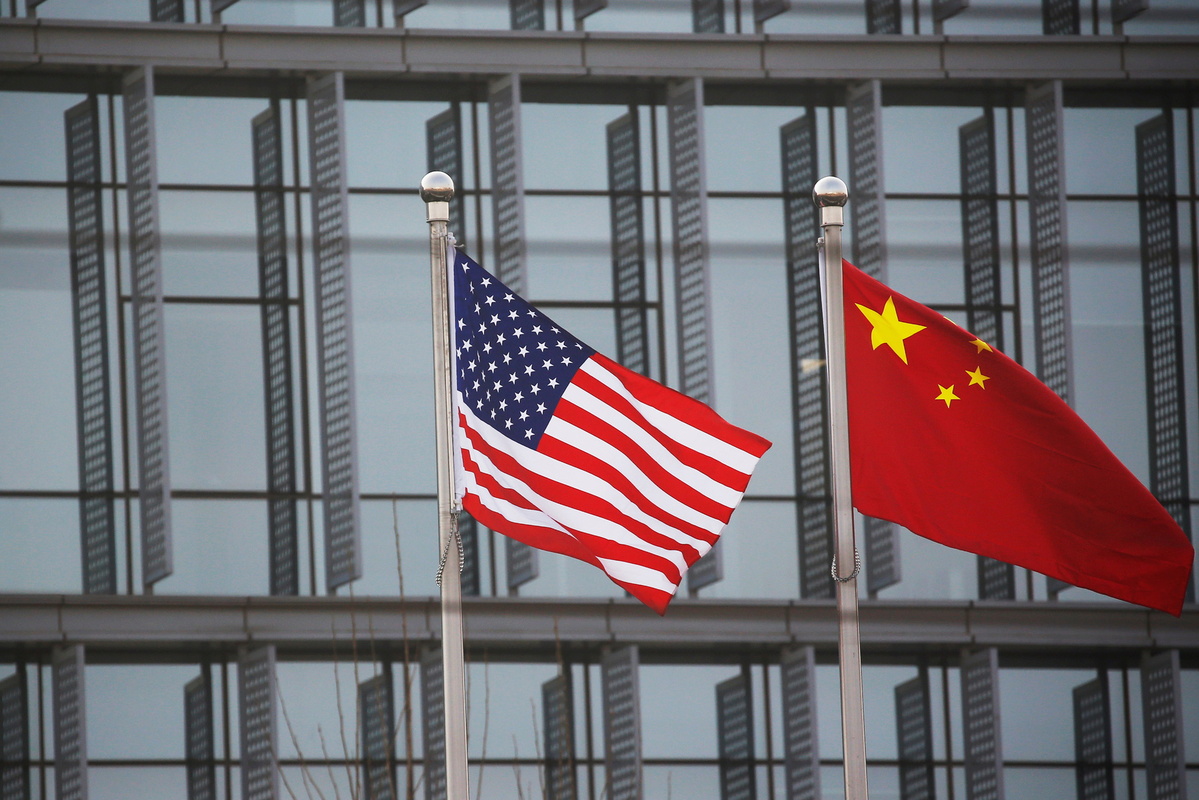
Recent surveys indicate that an overwhelming majority of Americans hold a negative opinion of China, which should not come as a surprise to anyone following the US administration elites' rhetoric, often repeated without fact-checking by major news outlets.
A Pew Research Center survey from May 2024 found that 81 percent of US adults view China unfavorably, with 43 percent expressing a very unfavorable opinion. Similarly, a Gallup poll from March 2023 reported a record low 15 percent favorability rating for China among Americans, marking a significant decline from previous years.
Looking for a key reason why Americans in general have a negative opinion of China? Start with leading US administration officials' statements.
Besides US President Donald Trump's scathing remarks against China in the past, Antony Blinken, who served as secretary of state in the Joe Biden administration, raised eyebrows when he lashed out at China, claiming the country was seeking to undermine the world order.
Recently, former US senator Mitt Romney said China is "an existential threat" to the United States. For a long time, Romney was considered a voice of reason in the Republican Party. If he is a man of reason, then what does that say about the others?
The list goes on, but the cumulative effect is obvious: US officials' rhetoric must be scrutinized when analyzing why Americans hold such a hostile opinion of China. But the media, which should do so, are happy to play along with the officials.
The Diplomat, an influential magazine that covers Asia, recently wrote: "A key feature of mainstream Western media today is the relentless China-bashing. It is off the charts and tiring, often involving regurgitated trivia or fabricated stories with no evidence to support callous statements about the country, demonstrating a deep lack of understanding. But such stories continue to be churned out with no end in sight."
No credible US media organization should ever want such a critique written about it. But too often journalists refuse to question the dominant narrative that China is a threat to the US. What does this say about the US media which too often appear unwilling to disseminate opinions that counter the baked-in narrative that China is bad?
Given these facts, it is perhaps a relief to know that the public opinion data are not worse. To speak favorably about China or the Chinese people, especially anywhere near Washington, the epicenter of US power, is to risk strange looks from people and questions about whether you are a "real American". And suggesting an outreach effort between the US and China is likely to result in a firm shake of the head accompanied by an assertive "no".
I know this from experience. On more than one occasion over the past year or so, I have invited professional colleagues to write editorials/op-ed pieces that would appear in Chinese publications, such as China Daily. One person said he appreciated the offer but getting involved with Chinese "propaganda" was not of his interest. Mind you, this individual is a PhD. If such a person refuses to engage with China, it is not surprising that US netizens often ask if it is safe for US nationals to visit China.
One wonders if anyone of those engaging in such conversations has taken the time to find out how incredibly safe China is.
Moreover, US universities send a peculiar message to the public when they sever educational partnerships with China. Perhaps no Confucius Institute is operating on any US college campus today. Worse, earlier this year, the University of Michigan suddenly announced that it was ending its longstanding collaboration with a top Chinese university.
In short, if US organizations and institutions such as the government, media and the higher education department refuse to have impartial discussions on China, can anything be done to change the narrative and improve US public opinion of China?
The call from Chinese President Xi Jinping for 50,000 American youths to visit China over the next five years offers a beacon of hope. Although typically reported only by the local media, the frequent trips made by US students and their teachers to China demonstrate the importance of increasing people-to-people exchanges. One Iowa resident spoke of the importance associated with students from her city going to China, saying, "I think our challenge is to grow a curiosity and understanding and find ways to work together."
Indeed, we need more curiosity, less negativity; more understanding, less stereotyping; more cooperation, less conflict.
The author is the department head of, and an associate professor at, the Communication and Organizational Leadership Department at Robert Morris University in Pennsylvania.
The views don't necessarily reflect those of China Daily.
If you have a specific expertise, or would like to share your thought about our stories, then send us your writings at opinion@chinadaily.com.cn, and comment@chinadaily.com.cn.