SCO will strongly uphold multilateralism









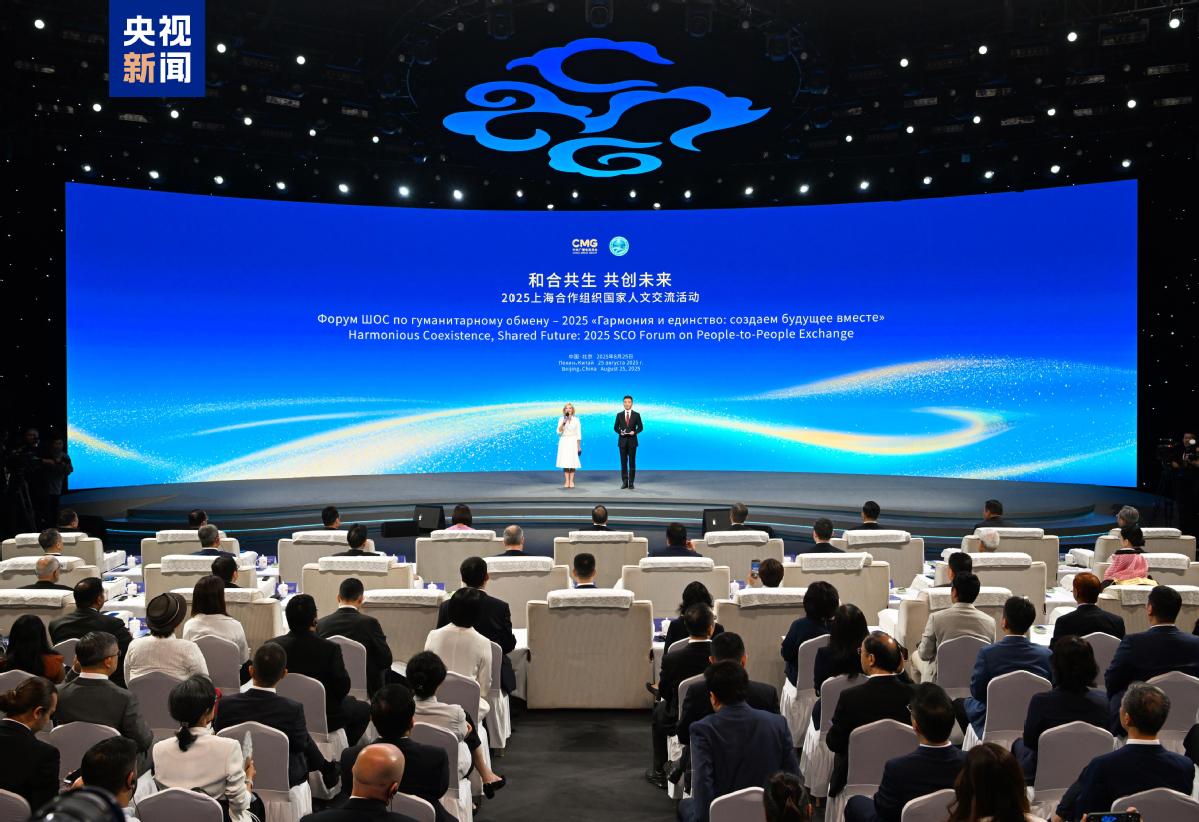
New Delhi announced earlier this month that Indian Prime Minister Narendra Modi would travel to China in late August, the first time in seven years, to attend the Shanghai Cooperation Organization Summit in Tianjin from Aug 31 to Sept 1. The move is a step in the right direction toward normalizing Sino-Indian relations and signals some progress in deepening ties among countries of the Global South.
Modi's last visit to China was in 2018, first for an informal summit with President Xi Jinping in Wuhan, Hubei province, in April, and later for the SCO Summit in Qingdao, Shandong province, in June. President Xi, in turn, visited India in 2019 for a second informal summit. But in the months after Xi's visit, bilateral relations deteriorated because of border dispute.
Given the shifts in geopolitics, rising sanctions and conflicts, and increasing tensions between the West and the Global South, China can use the Tianjin summit as a platform for building a more equitable and fairer world order.
Since its inception, the SCO has positioned itself as a regional grouping focused on security and cooperation. The inclusion of more members, Iran's accession and Belarus' membership, has broadened the SCO's global influence, marking its rise as a grouping striving for strategic autonomy and functioning without Western interference.
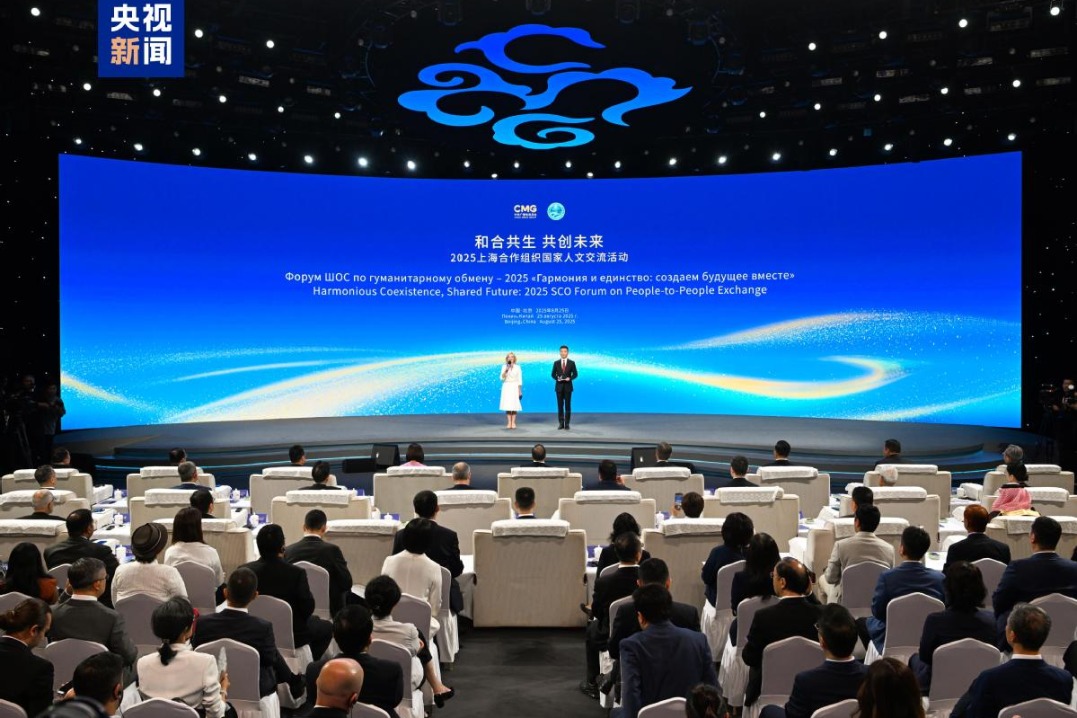
The preparatory events, attended by heads of ministries and departments from the member states, inspire hope and suggest the Tianjin summit will be a success.
The summit's priorities likely include strengthening collective security, economic integration under the upgraded framework of the Belt and Road Initiative, digital transformation, and settlement of trade in yuan, ruble and/or other SCO countries' currencies. The development of Central Asia, too, is expected to be on the agenda of the summit, because the region is becoming an arena for the competing interests of China, Russia, Turkiye, the European Union and the United States.
Amid the instability in Afghanistan, sanctions against Russia, conflicts in the Middle East, and the erosion of trust in Western institutions, the SCO is becoming a symbol of resistance against the unipolar development model some powers are desperate to impose on Eurasian countries. China provides investments, logistics and a political alternative to the Western development model — a model that respects countries' sovereignty, believes in non-violence and promotes mutual benefit.
The SCO has become a platform promoting the economic and political integration of the Global South. This shift seems to have ruffled Washington's feathers. That's why the US views the SCO member states' efforts to use their currencies to settle trade as a challenge to the US dollar, and their endeavor to develop alternative logistics routes and form energy partnerships as a threat to the US-led global order.
Recognizing the increasing influence of SCO member states and the lack of means for effective competition, the US administration has imposed discriminatory tariffs and sanctions on many of them, in order to check their growth.
The most recent example of sanctions came on Aug 6, when the US imposed 50 percent tariffs on Indian goods. Its earlier warning to add another 10 percent in response to India's role as a BRICS member still stands. Initially, the US imposed 25 percent tariffs on Indian goods, and then an extra 25 percent as punishment for India purchasing Russian oil.
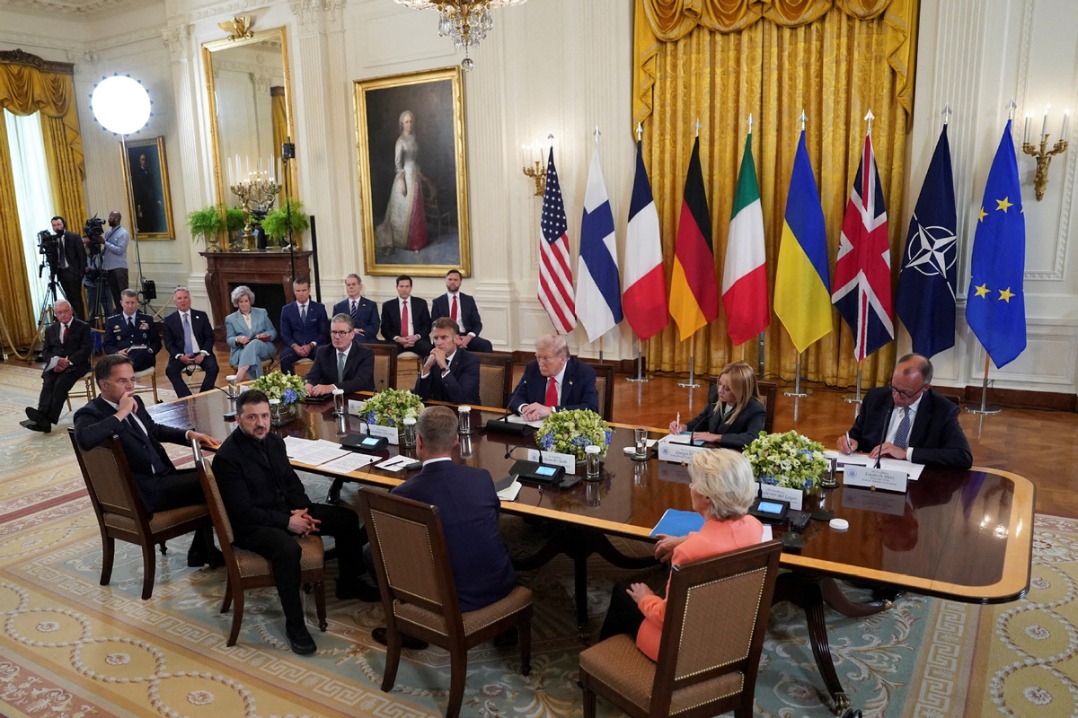
Despite US President Donald Trump meeting Russian President Vladimir Putin in Anchorage, Alaska, to help end the Russia-Ukraine conflict and, after failing to reach a "deal", agreeing to meet again, neither the US nor the European powers have eased sanctions against Russia. In fact, some European countries have threatened to impose more sanctions on Russia.
Besides, the US administration has adopted a policy of "maximum pressure" toward Iran, imposing sanctions on its oil industry, and finance, logistics and aviation sectors. And it is scrutinizing Chinese and Indian companies involved in infrastructure projects with Iran.
The SCO is not a bloc to confront the US-led West. But the SCO is emerging as a key political and economic group seeking to improve the world order.
The Tianjin summit could be a turning point for the SCO, for it could soon offer the countries of the Global South alternative wisdom to the international rules and trading systems.
The author, former prime minister of the Kyrgyz Republic, is a professor at the Belt and Road School of Beijing Normal University.
The views don't necessarily represent those of China Daily.
If you have a specific expertise, or would like to share your thought about our stories, then send us your writings at opinion@chinadaily.com.cn, and comment@chinadaily.com.cn.