



As cities pass infection peak, focus shifts to saving lives









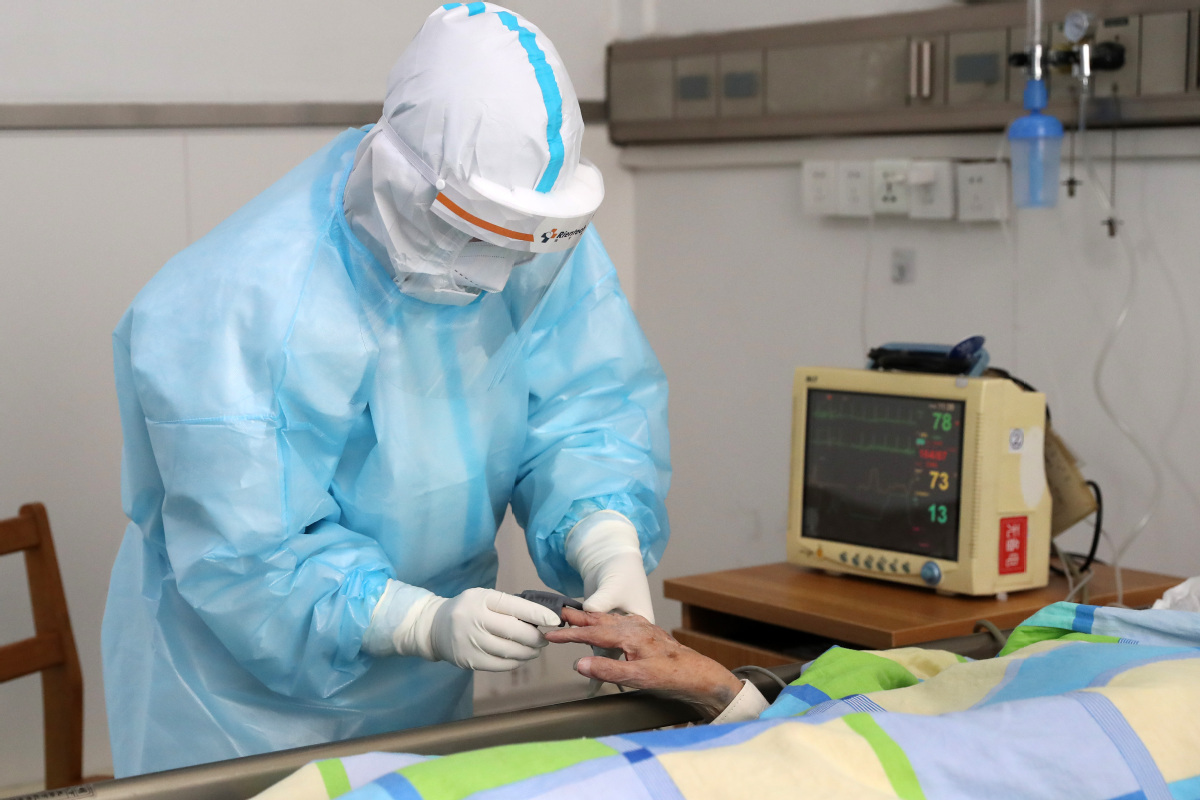
With the management of COVID-19 downgraded from Class A to B, the focus of epidemic control has changed from curbing infections to preventing severe cases and saving people's lives, health officials and experts said.
As major cities in China pass the infection peak, authorities have taken active measures to increase intensive care resources to cope with the peak of severe cases.
Guo Yanhong, director of the National Health Commission's health emergency response department, said the newly released 10th edition of its diagnosis and treatment protocol for COVID-19 has improved the warning standards for severe patients to make sure they receive early treatment.
The protocol stresses the need to treat COVID-19 and underlying diseases simultaneously, as many elderly patients also have underlying conditions, which can be worsened by the COVID-19 infection, she said at a news conference on Monday.
Wang Guiqiang, head of Peking University First Hospital's infectious disease department, said treatment of severe patients should focus on breathing support, such as receiving oxygen therapy or antiviral medications at an early stage.
The treatment of critical patients should focus on multi-department cooperation to prevent organ failure, worsening underlying diseases and pneumonia, and to maximally reduce the risks of death, he said.
The new protocol has raised the age limit for people deemed at high risk of severity from 60 to 65, and stressed that unvaccinated groups should be given special attention, he said.
Kan Quancheng, director of the Henan provincial health commission, said 89 percent of the province's population had been infected with COVID-19 as of Jan 6.
The number of patients at fever clinics peaked on Dec 19 and has since declined, he said. The province has passed the infection peak but is still at the peak for severe patients, he said at a news conference on Monday.
From Dec 10 to Jan 7, the province increased its ICU beds from more than 13,600 to 21,700, he said.
The Henan government has allocated 600 million yuan in expanding ICU beds and pursuing necessary medical equipment such as respirators, monitors and oxygen inhalators, Kan said.
Henan has also organized intensive care training sessions for medical workers and the number of ICU medical workers has increased from more than 26,000 to 33,000, he said.
Li Pan, deputy director of the Chongqing health commission, said the number of patients at fever clinics in the municipality's hospitals has dropped to around 7,000 a day from 49,000 on Dec 20, showing that the peak of infections has passed in the city.
Since December, the city has added 2,131 new ICU beds at designated hospitals, he said at a recent news conference, adding that all designated hospitals are equipped with dialysis machines, delivery rooms and pediatric departments.
The city has conducted health surveys on more than 5.7 million elderly people aged 65 and above and offered special medical monitoring to those with high risks, he said.
Xu Hejian, spokesman for the Beijing city government, said the epidemic situation has become less intense and the shortage of drugs has been alleviated.
However, there are still challenges in outpatient and emergency treatment and in caring for critical patients, he said, adding that the most pressing task currently is saving severe and critical patients.
At the emergency department of Peking University First Hospital Taiyuan Hospital, the number of patients is almost four times the average in normal times.
More than 30 ambulances arrive at the hospital every day, and the emergency room has to treat more than 150 people daily, according to Xinhua News Agency.
Over 70 percent of the patients needing emergency treatment are aged 65 and above and many of them are in severe and critical conditions, Xinhua said.
Jiang Rui, a head nurse at the hospital said, "Just to prove how busy we are, health tracking devices show that nurses at the emergency department walk more than 30,000 steps every day."





