



China optimises COVID-19 policies









China further optimised its COVID-19 control policies in a 10-point notice released on Wednesday. Below are some of the key adjustments.
Q: How will China categorise high-risk areas?
A: High-risk areas should be accurately defined by building, unit, floor and household, and must not be arbitrarily expanded to entire residential complexes and neighbourhoods. Any form of temporary lockdowns are prohibited.
Q: How to roll out nucleic acid tests?
A: The scope and frequency of nucleic acid tests should be further reduced and antigen tests can be rolled out based on local circumstances. High-risk personnel should take tests as required while testing services should be offered to those in need.
Public places should no longer require proof of negative nucleic acid testing results or check digital health codes of visitors except for elderly care and social welfare centres, medical facilities, nursery care centres and primary and middle schools. Cross-regional travellers are also waived from these requirements and are no longer required to take a test upon arrival.
Q: Can infected patients isolate at home?
A: In most cases, asymptomatic and mild cases can be isolated at home when home-based protocols are met, and health monitoring should be strengthened so as to be transferred to designated hospitals for treatment promptly. They can also voluntarily opt to stay in centralised quarantine facilities.
Q: How to boost COVID-19 vaccinations amongst the elderly?
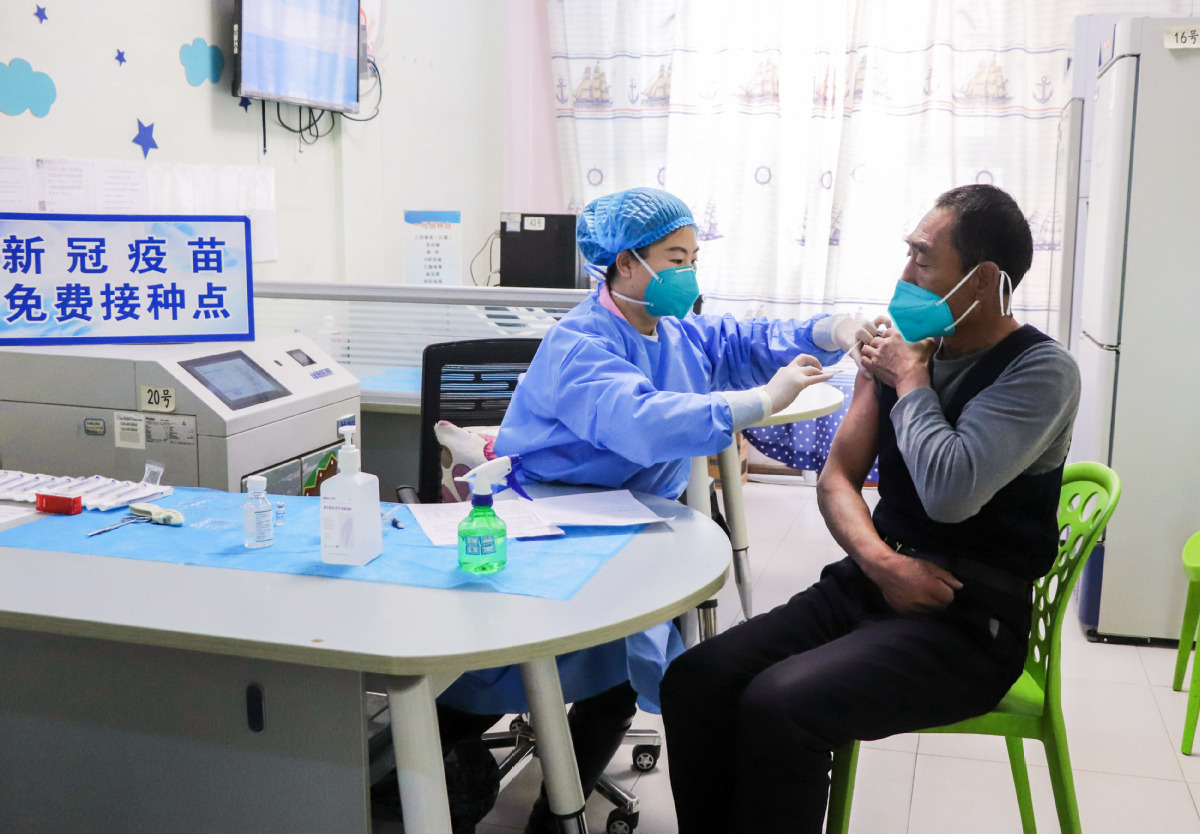
A: Local authorities are urged to create targeted plans to accelerate vaccinations among those aged 60 and above, especially elderly aged 80 and above. Suggested measures include setting up temporary or mobile vaccination stations, establishing special queues for seniors to expedite inoculations, ramping up training for medical workers so they can better identify people with contraindications, and improving awareness campaigns to motivate people to get the shots.
Q: How to ensure safety and medical demands during local outbreaks?
A: Obstructing fire exits and apartment doors for the sake of COVID-19 control is strictly forbidden, and relevant authorities must ensure that people who are locked down have access to medical treatment and emergency escape routes.
Communities should connect with designated medical institutions to make medical services more convenient for minors, pregnant women, seniors who live alone and people with disabilities or chronic diseases. Psychological consultation and mental healthcare should also be stepped up for quarantined people, COVID-19 patients and frontline workers.





