



Govt transparent in COVID-19 data









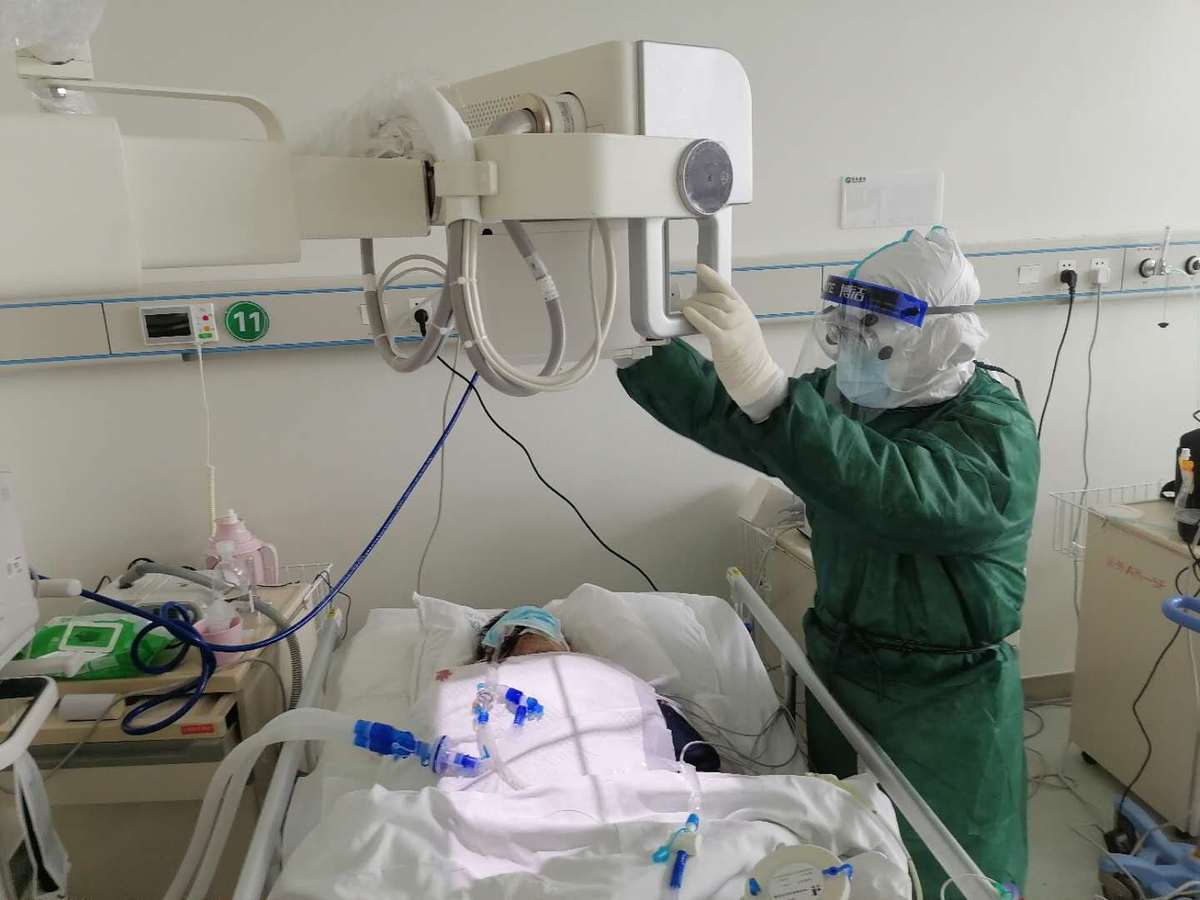
Data and information on COVID-19 in China released by the Chinese government is transparent and open, and there is no government meddling in data collection, a National Health Commission official said on Thursday.
The mortality rate in Wuhan, the city in China hit hardest by the novel coronavirus, now stands at about 5.5 percent, but the definitive rate will not be available until the outbreak ends, said Jiao Yahui, an official responsible for medical administration and supervision.
"The Chinese government has been open and transparent on data and information about COVID-19," she said, adding that the World Health Organization has sent a team of experts to China for field inspections.
In addition, China's figures on COVID-19 infections are reported directly by hospitals to a unified online reporting system, during which government interference is not possible, she said at a media briefing in Wuhan, in response to a question regarding recent controversy on the official figures released by Hubei province and Wuhan.
She said China set up an online reporting system concerning all infectious diseases after the SARS outbreak in 2003. The system requires doctors and hospitals to report patient information of any infectious disease as soon as they have confirmed cases to improve early detection of the disease and provide early warning.
The Chinese mainland reported 46 new confirmed novel coronavirus cases and zero deaths on Wednesday, bringing the two numbers on Thursday to 82,341 and 3,342, respectively, according to the National Health Commission.
As for doubt expressed because the death rate in Wuhan is significantly lower than in some Western countries, Jiao attributed that to strengthened medical treatment and help from all across the country.
She said the Chinese government had taken various measures to lower the death rate in the city, which at early stages of the outbreak was as high as 10 percent.
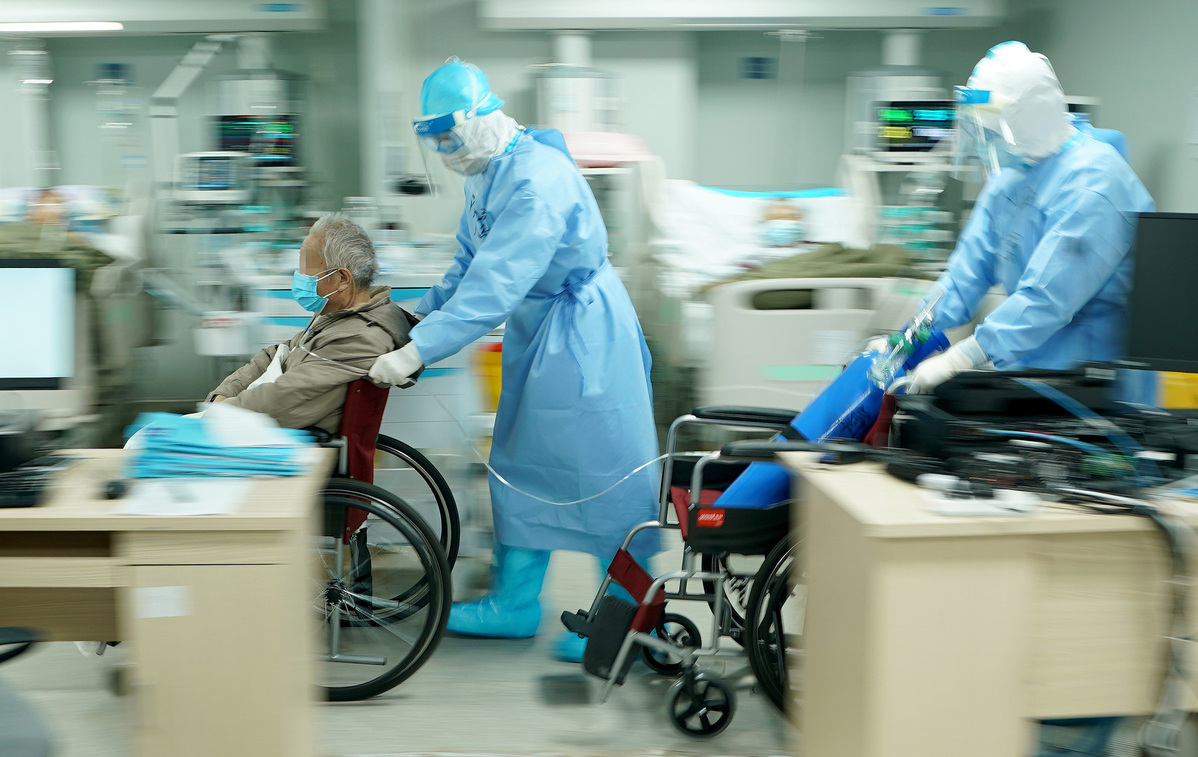
At the early stage, when patient numbers grew very quickly, the local medical system was overwhelmed. More than 42,000 medical workers around the country came to Hubei to work with local counterparts to treat COVID-19 patients, and 13,000 of them were specialized in intensive care, Jiao said.
Wuhan also set up 16 temporary hospitals with 14,000 beds in a very short time, and designated hospitals in the city had more than 20,000 beds. But in many Western countries, patients could not be admitted to hospitals in time due to limited medical resources, leading to a higher death rate, she said.
"We've attached great importance to treating severely and critically ill patients, and we mobilized the country's best medical resources in intensive care to Hubei and Wuhan," she said, adding that the treatment was free.
To control the spread of the virus, the central government also put Wuhan, a city with a population of more than 10 million, in lockdown and strictly controlled travel in and out of Hubei.
After the lockdown, the whole country has provided necessary materials to Hubei to meet local people's demand, and that's how the country could control the pandemic in a relatively short time, Jiao said.
"Instead of questioning the accuracy of China's information, maybe they should look at China's experience in controlling the outbreak and make the utmost efforts to ensure all patients receive timely treatment," she said.
Kang Seung-seok, the consul-general of the Republic of Korea in Wuhan, said that data released by governments all across the world should be trusted, including in China.
He said what has impressed him most is that the Chinese government has taken quick and tough prevention and control measures and the government and the people are cooperating closely.
Kang, who assumed his post on Feb 20, said people in Wuhan are very mindful of their personal hygiene and they have strictly followed government guidelines.
Currently, more than 100 people from the ROK live in Wuhan, and the consulate has been offering them medical supplies and other materials, he said.
"As the ROK and China have quickly controlled the outbreak, which has been well recognized by the international community, the two countries should resume economic and trade cooperation as soon as possible," he said, adding that the medical sector could be a key field for future cooperation.





