


Discovering Guangxi, from Nanning to historic Beihai










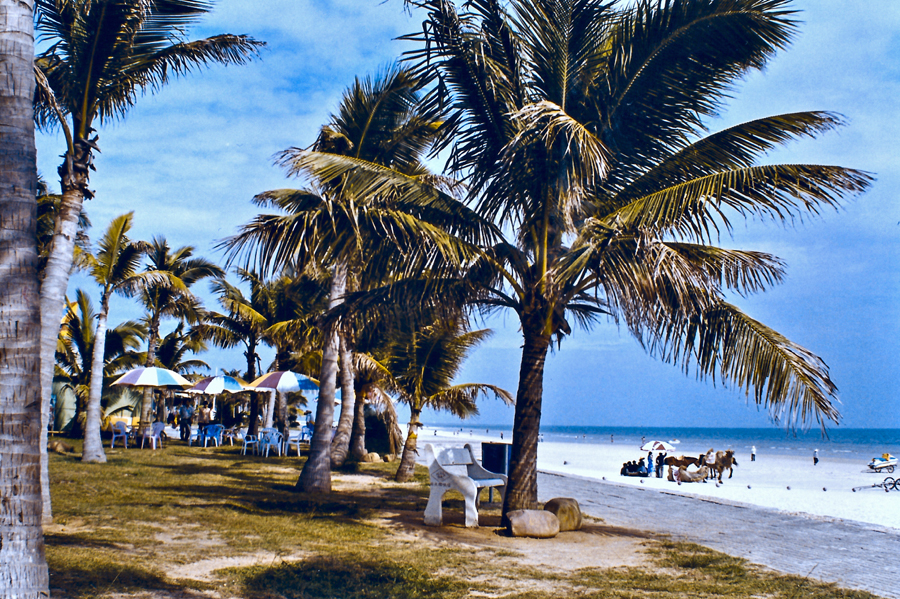
Throughout history, southwestern China’s Guangxi, now the Guangxi Zhuang autonomous region, was reliant on water transportation. Seagoing vessels plied the coastline between Vietnam and Guangdong’s Leizhou Peninsula. Nanning, Guangxi’s contemporary capital, connected via the West River, or Xi Jiang, with Guangzhou and Hong Kong. Initial railway construction did little to alleviate the area’s relative isolation from the Pearl River Delta thanks to long, circuitous journeys. However, the Guangdong San-Mao Railway opening in 1991 significantly shortened distances, turning Nanning into a hub for journeys not just to Guilin but ultimately to Guizhou and Yunnan via the “NanKun” line, Beihai on the Beibu Gulf and even to the border with Vietnam. In recent years, Guangxi has continued opening up through ongoing high-speed rail construction.
In late 1990s I visited Nanning several times. It felt different from other regional capitals. Maybe it was the soporific heat that negated lengthy daytime walking, but the weather created a tropical atmosphere, transforming the city’s parks into splendid botanical gardens. For hours I would enjoy simply sitting at a cafe overlooking the Yong River — part of the West River system — watching boat traffic. The passenger vessels I had frequented in the early 90s were by then redundant due to transport infrastructure updates.
My trips to Nanning were an opportunity to discover some of Guangxi’s ethnic history through its excellent Provincial Museum. A city with a history going back over 1,600 years, it sat at a crossroads between China and southeastern Asia. In 1999 it was already expanding outwards and upwards, with smart offices rising above wide boulevards, although cars were then still relatively rare. Older areas remained fascinating, bustling with outdoor restaurants alongside so much of the life of Chinese inner cities I enjoyed, indeed loved. With the few foreign visitors something of a novelty, and hearing regular cries of “Hello” and “Can I practice my English”, I quickly appreciated Nanning, finding it both friendly and relaxing. It transformed into more than a pleasant hub to spend a few days while planning my onward travels.
My original plan was to head straight to Guilin, but the more I looked at my map the more I was interested in going first to Beihai, a city located on a peninsula jutting out from Guangxi’s southeastern coast. A good choice, for I discovered much more there than initially anticipated.





