Japan spending thaws at high end


Future seen brighter
Japan's consumer confidence index hit its highest in more than five years in February, and many analysts see that as a sign that the economy is recovering from a slump caused from the fallout of Europe's debt crisis and a territorial spat last year with major trade partner China.
"I sell my own jewelry and, before, customers thought items priced 3,000-4,000 yen ($30-$40) were expensive, but recently I hear people saying that's cheap," said Makiko Tomitani, a 37-year-old freelance artisan in Osaka.
 |
|
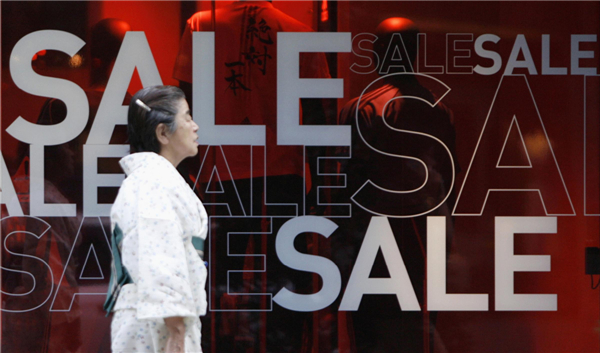
A woman clad in kimono walks past a store in Ginza shopping district in Tokyo in this July 11, 2008 file photo. [Photo/Agencies] |
Looking for signs of a reviving economy, Japan's TV networks have checked out the length of women's skirts, changes in cosmetics use and even what alcohol people drink while admiring the seasonal cherry blossoms.
Abe scored a public relations victory last month when leading Japanese companies responded to his request to raise wages by nudging up bonus payments.
But for many workers base salaries are unchanged - and employers can easily cut bonuses in future. In addition, more than a third of the country's workforce are contract employees, who are paid less and don't have the benefits and security that full-time staff have.
In another sign of the uneven gains, overtime pay - a closely watched measure of corporate largesse - fell at the fastest pace in over three years in February, and cash earnings slid an annual 0.7 percent, reversing January's modest rise.
The BOJ has set a target of 2 percent inflation, but some retailers say they still risk losing business if they raise prices. The head of Nitori Holdings Co, a leading furniture and home furnishings retailer that imports more than 80 percent of its cut-price products, said the company would not increase its prices even as the yen weakens, taking a hit to its margins rather than scare away shoppers.
And plans to raise a 5 percent sales tax to 8 percent in April 2014 and then to 10 percent in October 2015 may also be at the back of shoppers' minds, as economists say consumers may be buying now only to pull back after the tax hike takes effect.
Japan has seen this type of volatility before.
In 1997, the government raised the sales tax from 3 percent, a move many blame for pushing the country into recession.