

 Comments
  Print
Print  Mail
Mail  Large Medium Small
US and other countries should stop evading responsibilities in emissions control, funds and technology transfer
The 18th Conference of the Parties to the United Nations Framework Convention on Climate Change is under way in Doha, Qatar. This is the first time that the UN climate change conference has been held in a Gulf country. The State of Qatar is rich in gas and oil. In particular, it has the world's third-largest reserves of natural gas resources, accounting for about 13.5 percent of the world's total. The urban and suburban areas of Doha are a desert oasis, demonstrating once again the ability of humans to transform nature.
But the various pipelines visible are a reminder of how important the supply of water is for Qatar and Doha city. Climate change will inevitably aggravate the pressures on the water and food resources in regions, such as desert areas, with extreme ecological vulnerability. A huge crisis is hidden under the surface prosperity. Gulf countries are aware of this serious problem.
These countries have rich oil and gas resources, but once these resources are exhausted, how can the desert support them? Therefore, the Gulf oil countries are taking actions to reduce their consumption of oil and natural gas, and using more renewable energy and the desalinization of seawater to try and solve their energy and water supply problems, and they are developing various commercial and financial centers to compensate for the abnormal and insufficient development of the energy industry.
In 1997, the Kyoto Protocol was signed in Kyoto, Japan, and in 2007 the Ad-Hoc Working Group on Long-Term Cooperative Action Under the Convention was one of the two work streams agreed as part of the Bali Roadmap. By convention, the UN climate change conference has returned to the Asia-Pacific and come to Doha. At Doha, the double-track negotiating process of the Kyoto Protocol and the Long-Term Cooperative Action is coming to the end.
The key is whether the second commitment period of the Kyoto Protocol can be launched on time. Canada and New Zealand have withdrawn from the accord, followed by the United States, which never ratified the Kyoto Protocol. Other countries of the Umbrella Group, a loose coalition of non-EU developed countries, have also said they will not join the second commitment period of the Kyoto Protocol.
Only the European Union countries and Australia have pledged to join the second commitment period. Yet their commitment has no great significance, as their goals are not encouraging. The EU has pledged to cut emissions by 20 percent from 1990 levels by 2020 and Australia will cut emissions by 5 percent from 2000 levels during the second commitment period.
Although developing countries have warned those refusing to join the second commitment period of the Kyoto Protocol, they cannot enjoy the benefits of market mechanisms in the Kyoto Protocol, such as the clean development mechanism. Those countries not agreeing to the second commitment period of the Kyoto Protocol are happy not to make commitments and set emissions limits. "A dead pig fears no scalding water," as the saying goes, so the emissions reduction targets and mitigation actions of the Kyoto Protocol are still the focus of debate at the Doha conference.
The focus of Long-Term Cooperative Action was to properly deal with some important issues, so as to reach a consensus among contracting parties. The US and other countries of the Umbrella Group don't like to discuss high emissions reduction goals, financial support and technology transfer, and these will cost a lot of negotiating time.
Developing countries have asked developed countries to come out with a roadmap to show how the Green Climate Fund will be distributed between 2013 and 2020, and the fund should reach $100 billion by 2020. However, developed countries do not want to discuss the loss and damage their accumulated carbon emissions have done to developing countries over the years. And they are reluctant to transfer technology to developing countries using intellectual property rights as the excuse. Developing countries also hold that developed countries should leave emissions reductions in areas such as aviation and navigation to international organizations instead of taking unilateral actions.
The Long-Term Cooperative Action deals with long-term issues such as the pledges of emissions reductions various countries have made and implementation of the goals that should be included in new climate change treaties after 2020. Long-term emissions reduction goals and negotiation results based on the Action should be further implemented in the Durban Platform for Enhanced Action and in future treaties.
In addition, many issues remain to be properly solved, such as carbon leakage, carbon emissions measurement and intellectual property. In the Doha conference, time is critical. All contracting parties should try to find common ground, consult in an open and impartial way, and give full play to inclusiveness and compromise to ensure a pragmatic and smooth transition to the Durban Platform for Enhanced Action at the Doha conference.
Christiana Figueres, executive secretary of the United Nations Framework Convention on Climate Change, at the opening ceremony of the Doha conference, humorously said she hopes the conference can end on Friday rather than extending to Saturday and even Sunday. Though all the participants showed a smile of understanding, they are fully aware that it will not be an easy task to achieve the purpose as originally envisaged. To this end, all contracting parties should engage in inclusive consultations and negotiations.
The author is a senior adviser on climate, energy and environment for the Natural Resources Defense Council.

 The world in photos: May 29 - June 4
 Beijing puts its best foot forward on Belt and Road
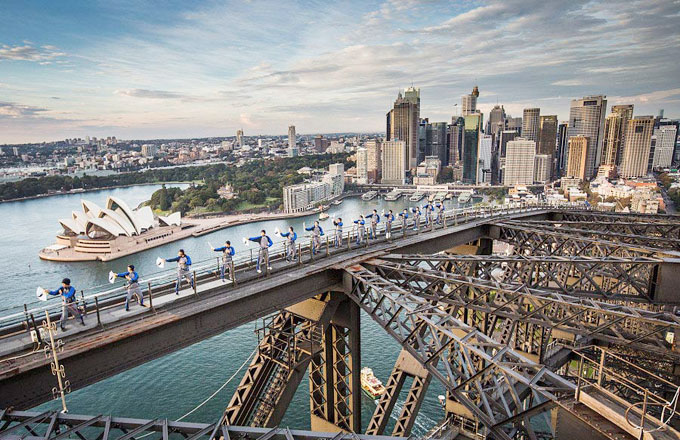 Tai chi takes over Sydney Harbour Bridge
 World in photos: April 24 - May 1
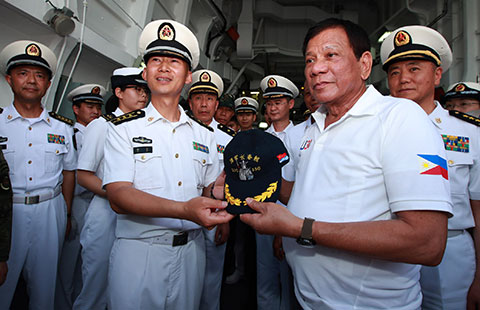 Chinese ships pay visit to Philippines
 Princess Charlotte about to turn 2
 Cherry blossoms in full bloom in New YorkMay 'not in different galaxy' over Brexit
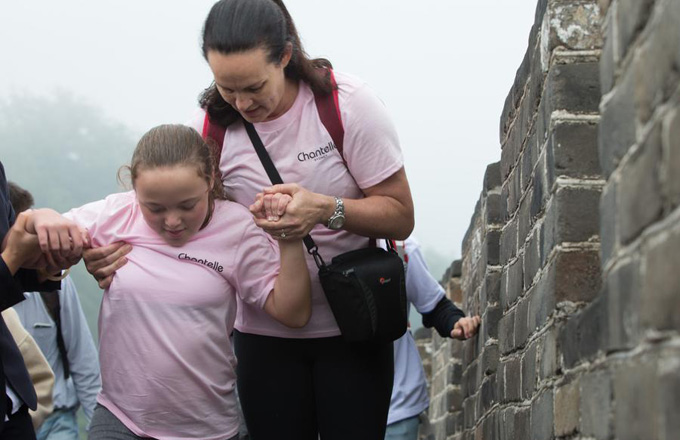 Incredible! Australian girl with cerebral palsy climbs Great Wall
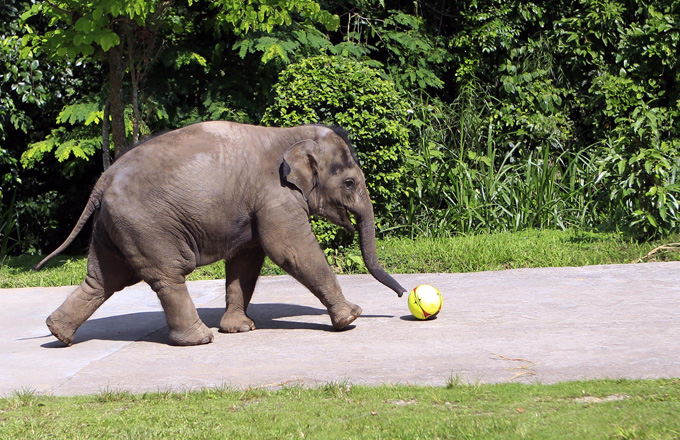 Baby Asian elephant train for release into the wild
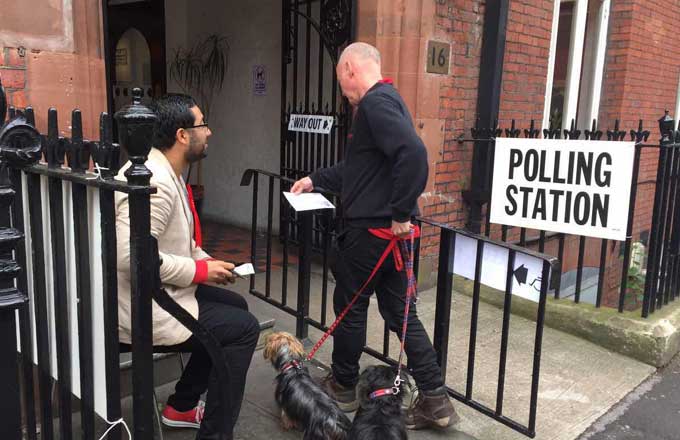 UK voters head for polling booths as country's general election gets under way
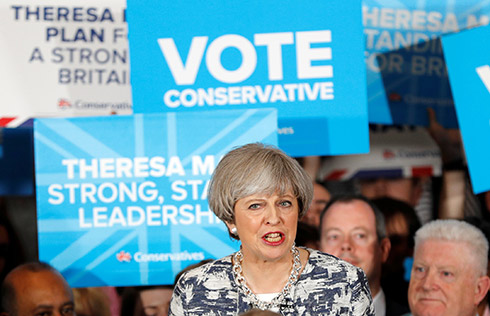 Polls on eve of UK election suggest PM May will boost majority
 Nadal into French Open semi-finals, Thiem dismantles titleholder Djokovic
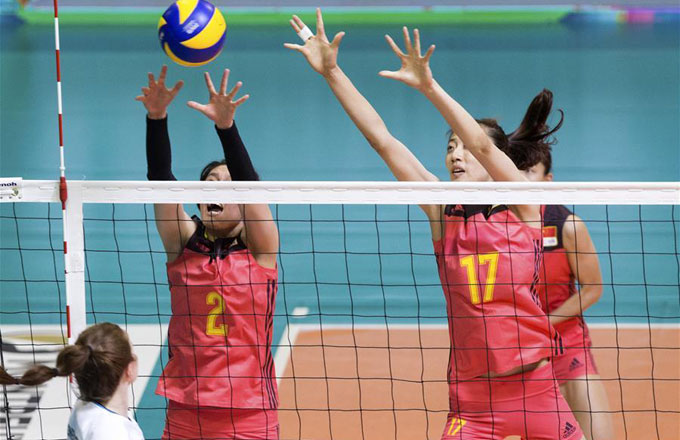 China beats Switzerland 3-0 at Montreux Volleyball Masters


Copyright 1995 - . All rights reserved. The content (including but not limited to text, photo, multimedia information, etc) published in this site belongs to China Daily Information Co (CDIC). Without written authorization from CDIC, such content shall not be republished or used in any form. Note: Browsers with 1024*768 or higher resolution are suggested for this site.
License for publishing multimedia online 0108263 Registration Number: 20100000002731