Asia-Pacific
Japan nuke crisis panel led by expert in failure
(Agencies)
Updated: 2011-05-27 16:30
 |
Large Medium Small |
TOKYO - When Yotaro Hatamura delves into the causes of the nuclear crisis at Japan's Fukushima plant, he'll be drawing on year of experience with mistakes -- other people's.
Hatamura, tapped this week by Prime Minister Naoto Kan to head a team that will investigate the causes of the world's worst nuclear disaster since Chernobyl in 1986, heads the Association for the Study of Failure, a consulting group dedicated to helping organizations learn from their mistakes.
|
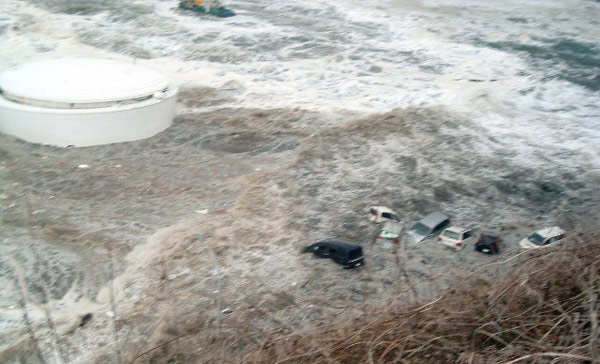 Cars are washed away by a tsunami at Tokyo Electric Power Co (TEPCO)'s Fukushima Daiichi nuclear power plant in Fukushima Prefecture, in this handout photo taken from near its No 5 reactor on March 11 and released by TEPCO on May 19, 2011. [Photo/Agencies] |
"Japanese culture puts great weight on 'face' and so failure is not acceptable," Kenji Iino, vice chair of the association, told Reuters in an interview.
"People try to hide their mistakes ... But that tends to just make things worse and similar mistakes happen. The basic idea is to explain and analyse openly to prevent the same mistakes being made over and over again."
Among the disasters the group has analysed are the 1985 Japan Air Lines crash that killed 520 people, as well as previous nuclear accidents. Causes range from ignorance and embarrassment to bad planning and inflexible operations.
"I think nuclear power is a dangerous and scary thing, but it is also very important," Hatamura said in a 2007 interview.
Hatamura, a professor emeritus at the University of Tokyo, will have plenty of scope to exercise his expertise in analysing the disaster at Tokyo Electric Power Co's Fukushima Daiichi plant, where three reactors melted down after the March 11 tsunami knocked out both the plant's electric-powered cooling system and its deisel-powered backup generators.
Nearly three months later, engineers are battling to meet what many experts say is an overly optimistic target of putting the damaged reactors into a stable "cold shutdown" by January.
Iino, who translated the 70-year-old Hatamura's book "Learning From Failure" into English, said that while final conclusions must wait for the probe, it appeared the utility's first fatal error was its failure to take steps to prevent an accident whose risk of occurring was low but whose consequences were huge.
The utility, known as Tepco, has said that the deadly combination of a magnitude 9.0 earthquake and resulting massive tsunami was "soteigai" -- beyond expectations.
But a review of company and regulatory records by Reuters showed Japan's government and the utility repeatedly played down the danger and ignored warnings.
"The probability was small and I think they didn't properly calculate how big the damage would be if it happened," Iino said.
Hatamura's investigation will look not only at the causes of the accident but the response by Tokyo Electric and the government, both of which have been accused of bungling their handling of a disaster which nearly three months on poses a continued threat to the environment and health.
An inability to think outside the box when the unexpected strikes can make things worse, Iino said.
"If there is someone on the ground who can make the right judgment, that's fine. The problem is when there is no one who can make that call," he said.
"People's jobs have become narrower and more fragmented and there are fewer who understand the big picture."
| 分享按鈕 |