Asia-Pacific
Heavy oil hits Louisiana's fragile marshland
(Agencies)
Updated: 2010-05-20 13:50
 |
Large Medium Small |
|
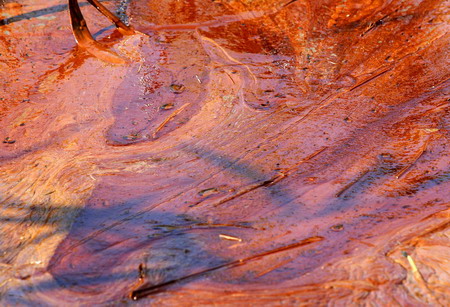 Oil sits on the bank of the breakwater in the mouth of the Mississippi River where it meets the Gulf of Mexico in Louisiana, May, 18, 2010. [Agencies] |
Florida's tourism gained a respite when tar balls found on Keys beaches were shown not to come from the Gulf of Mexico oil leak, but officials said the $60 billion-a-year industry was already taking a beating from the month-old spill.
The Coast Guard said laboratory tests had shown that 50 tar balls found this week on the Lower Keys -- a mecca for divers, fishermen and beach goers -- were not from the Gulf spill.
'Not Out of the Woods'
Local tourism authorities said damage had already been inflicted by the negative publicity linked to the spill.


"We understand we are not out of the woods yet, that there's more oil out there," he said.
Tar balls have also been found on the Texas coast and were being tested, but a Coast Guard official said it was "highly unlikely those tar balls in Texas are related to this spill."
A Louisiana agency said a Kemp's Ridley sea turtle, an endangered species in the state, had been brought in and cleaned of oil after biologists discovered it off the coast.
The spill has also prompted rare talks between US and Cuban officials in Havana, with forecasters predicting that oil could reach Cuban shores.
Wildlife and environmental groups accused BP of holding back information on the real size and impact of the growing slick, and urged Obama to order a more direct federal government role in the spill response.
In prepared testimony for a congressional committee, National Wildlife Federation President Larry Schweiger said BP had failed to disclose results from its tests of chemical dispersants used on the spill. He also said it had tried to withhold video showing the true magnitude of the leak.
"The federal government should immediately take over all environmental monitoring, testing and public safety protection from BP," he said. "The Gulf of Mexico is a crime scene and the perpetrator cannot be left in charge of assessing the damage."
The spill has forced Obama to put a hold on plans to expand offshore oil drilling and has raised concerns about planned oil operations in other areas like the Arctic.