Stem cells help mice with muscular dystrophy
Updated: 2008-01-21 15:49
CHICAGO -- A therapy using embryonic stem cells helped restore muscle function in mice with Duchenne muscular dystrophy, the most common form of muscular dystrophy in children, US researchers said on Sunday.
|
|
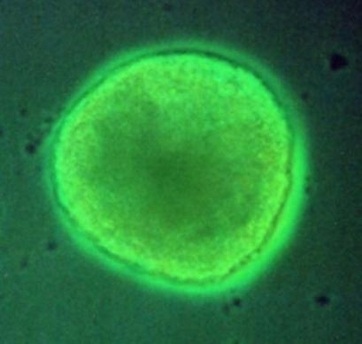
They said the study is the first to show that transplanted embryonic stem cells can restore muscle in genetically engineered mice with the disease.
Stem cells are the body's master cells, acting as a source for the various cells and tissues in the body. Those taken from days-old embryos, called embryonic stem cells, can produce all of the body's cell types.
Many researchers have tried different stem cell strategies in the hopes of treating muscular dystrophy, a genetic disease that occurs when the cells can no longer regenerate after injury. These studies have often been disappointing.
And one problem with embryonic stem cells is they want to form all the tissues in the body, often in a type of tumor called a teratoma. Getting them to differentiate -- to become only certain cell types -- has been difficult.
"The problem had been that embryonic stem cells make everything," said Dr. Rita Perlingeiro of the University of Texas Southwestern Medical Center, whose study appears in the journal Nature Medicine.
"We know with embryonic stem cells you have to find a way to pull out the cells you want," Perlingeiro said in a telephone interview. "How to dig them out -- that is the problem."
Perlingeiro's team experimented with stem cells taken from mouse embryos. Mice in the study lacked dystrophin, a protein that is lacking in humans with muscular dystrophy.
Perlingeiro knew it was important to isolate just the cells that would become muscle because early transplant attempts that included other undifferentiated cells had caused the mice to develop teratomas.
GREEN DYE
Her team developed a painstaking technique using fluorescent dyes to sort through the cells, allowing them to isolate only the cells destined to become muscle.
They injected these cells into the hindquarters of mice with the disease. After a month, the dyed cells had made their way deep into the muscle, suggesting they had started to grow new muscle cells. Many muscle fibers also contained dystrophin.
At three months, the mice showed no signs of tumors. Tests showed the muscles were significantly stronger than in untreated mice with the condition and they performed better than other mice in tests of coordination.
"We have now looked for over four months and there has been no tumor formation," Perlingeiro said. "We're very excited to see the fibers were green and you could see dystrophin."
Perlingeiro said her team hopes eventually to develop a stem-cell therapy for humans with muscular dystrophy using a new approach for making human stem cells from reprogrammed skin cells.
This approach involves tricking human skin cells into behaving like embryonic stem cells. But the technique is far from perfected.
Perlingeiro said her research is early but holds promise. "You go brick by brick to build something," she said.
Duchenne muscular dystrophy is one of nine types of muscular dystrophy, a group of degenerative diseases. It affects 1 out of every 3,500 to 5,000 boys in the United States.
|
|
|
||
|
||
|
|
|
|