More US men back from Iraq war have mental disorder
Updated: 2007-11-14 19:51
The number of soldiers needing mental-health care has risen sharply several months after they returned from Iraq, according to a Pentagon research published Tuesday.
|
|
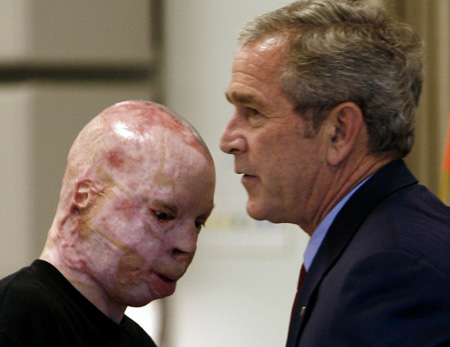
The military has undertaken an effort to diagnose and treat veterans with a new mental-health screening process.
Of the 88,235 soldiers studied, one in five on active duty and nearly half of reserves were referred to mental health treatment at one of the two time points.
The data came from the Department of Defense's routine screening of soldiers for mental health problems immediately after deployment and a second time several months later using questionnaires and a clinician interview.
Initial screenings of veterans uncovered 4.4 percent who needed treatment for problems such as depression or post-traumatic stress disorder (PTSD). But six months later, a second screening found 11.7 percent were in need of mental health care, indicating that it might take several months for emotional disorders to emerge.


A previous study, published in Journal of the American Medical Association in March 2006, reported preliminary findings that troops were more likely to report mental health problems months after returning from Afghanistan and Iraq rather than immediately after getting home, making it likely that some problems were being missed.
As a result of those findings, the Defense Department instituted the follow-on screening, which this time included only Iraq war veterans.
From the first to the follow-on screening, the most significant increase in problems reported by returning troops was in interpersonal conflict (active-duty troops, to 14 percent from 4 percent; reserves, to 21.1 percent from 4.2 percent).
Other problem areas also showed increases: post-traumatic stress disorder, depression and overall mental health risk.
"The whole idea is we're trying to catch these problems early, before they're a diagnosable condition, and hopefully intervene and prevent it from becoming that," said Milliken.
|
|
|
||
|
||
|
|
|
|