Demand for logistics properties in China is increasing as strong growth is anticipated in the e-commerce business sector over the next decade.
The figures from Jones Lang LaSalle, a leading property consulting firm, suggested that China will be the second largest e-commerce business market by 2020, only after the United States, with total e-commerce value reaching $1 trillion.
 |
|
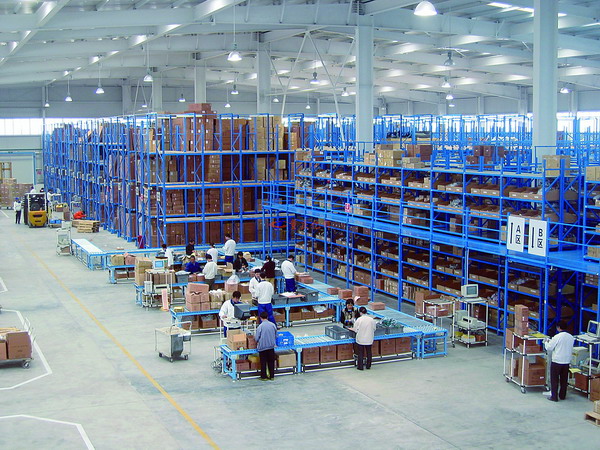
Experts say construction of modern logistics facilities in China seems unable to keep up with the growing pace of e-commerce. PHOTO PROVIDED TO CHINA DAILY |
"Online fulfillment is in its infancy and we anticipate e-commerce will create significant new demand for logistics real estate well into the future," said Chris Caton, vice president and head, Prologis Research. Prologis is a US-based industrial real estate developer with businesses around the world.
A previous study by Prologis shows that every additional one million euros of e-commerce sales will create additional logistics demand of approximately 72,000 square meters in Europe’s three largest e-commerce markets – the United Kingdom, Germany and France.
“Despite being a C2C dominant market that mainly relies on third party logistic services rather than the Europe market which is B2C dominant and therefore can generate direct warehousing demand, we believe the continued growth of China’s e-commerce market and the expanding market share of B2C players will likely result in a substantial increase for warehousing demand in general,” said CBRE in a report released in May.
Construction of modern logistics facilities in China seems unable to keep up with the growing pace of e-commerce, said Caton.
The figures from China Association of Warehouses and Storage show that while there was a total of 698 million square meters of commercial warehouses at the end of 2012, only a tiny proportion can meet the standard of modern logistics facilities.
Data from CBRE suggested that the modern logistics space supplied by 12 top logistics operators totaled only 13 million square meters by the end of 2013.
The increasing demand has caused the rent costs to increase significantly in the past few years.
“The robust demand and a tight supply have pushed up logistics rents across the nation, which recorded growth for the last 18 quarters in a row,” said Frank Chen, head of CBRE China research.
The shortage of high-standard warehouses and higher return from logistics properties also push e-commerce operators in China to establish their own logistics properties around China, Chen said.
Alibaba, the largest online-business operator in China, which plans to be listed in the United States in 2014, has announced it will invest 100 billion yuan to build a national logistics network.
JD.com, the second largest China e-commerce operator, said it plans to spend up to $1.2 billion over the next few years to buy land and vehicles to build its logistics properties. It was reported by media that JD has built 82 warehouses in 34 cities and the total area reached 1.3 million square meters.
In January 2014, the Hong Kong listed Tencent invested HK$1.5 billion for a 9.9 percent stake in the logistics firm China South City. Experts said the move might help Tencent better develop its logistics network and facilities.


Copyright 1995 - . All rights reserved. The content (including but not limited to text, photo, multimedia information, etc) published in this site belongs to China Daily Information Co (CDIC). Without written authorization from CDIC, such content shall not be republished or used in any form. Note: Browsers with 1024*768 or higher resolution are suggested for this site.
License for publishing multimedia online 0108263 Registration Number: 130349