Will 2017 be turning point for European integration?
THREAT OF POPULISM
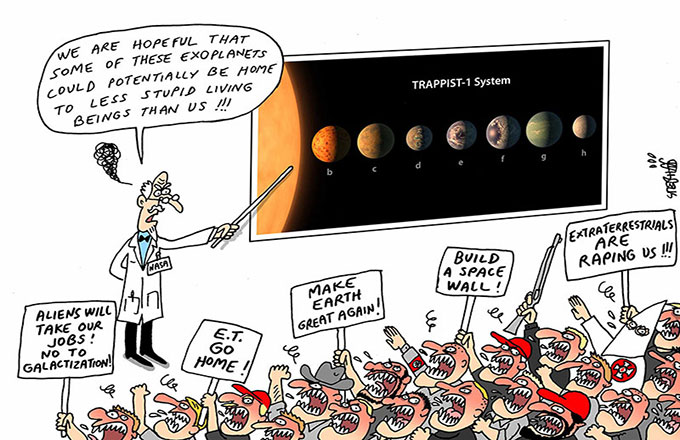
It isn't just FN and UKIP which are attracting public support. There's also Alternative for Germany (AfD), Austria's Freedom Party, Belgium's Vlaams Belang, the Czech Republic's Dawn of Direct Democracy, and Italy's Northern League.
Indeed, some of Europe's biggest far-right parties are hoping to secure election wins this year.
With elections coming up first in the Netherlands, followed by France, and then Germany, the parties are banking on the public malaise triggered, in part, by a large inflow of refugees in the past two years to capture more voters.
Wilders' Freedom Party (PVV) has already taken a lead in polls ahead of the March 15 general elections in the Netherlands while Marine Le Pen of the FN is likely to make it to the final round of the French presidential election in late April.
For these and others like them, the EU has become an all-too-easy target and the butt of much populist rhetoric. Hate speech, intolerance and racism associated with some of the populist groups is concerning for both citizens and states alike.
EU EXISTENTIAL CRISIS
In Europe, political and economic risk is nothing new. For years, nationalism, populism, conflicting strategic interests, low economic growth and high unemployment have driven EU members apart.
Meanwhile, the 19-country eurozone has seen a variety of threats to its existence over the past decade, connected to issues such as high levels of debt, fragile banking sectors, and growing Euroscepticism.
So far, it has managed to survive them. In 2017, however, the eurozone crisis could enter a new, more dangerous stage as risk reaches its largest political and economic players.
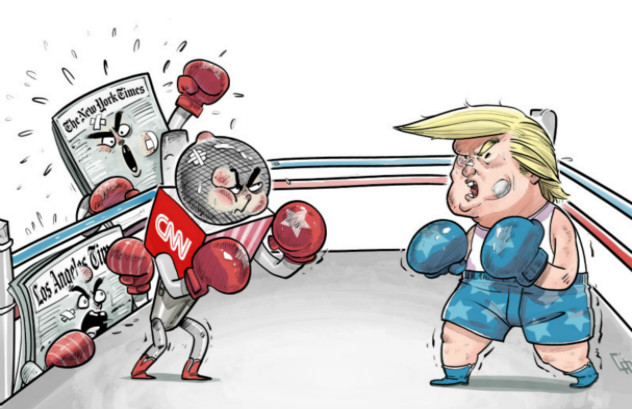
British Conservative Party parliamentarian Charles Tannock said that, "after six decades of U.S. support for European integration, we have now a U.S. president who supports Brexit, asks which country will leave the EU next and is advised by a man (Farage) who wants to implode the entire EU. "
Little wonder he fears the EU faces an existential crisis.
"Extreme versions of populism, nationalism, isolationism, and protectionism are not going to solve the problems of our continent or the planet," he said.
So, how to respond? Should populism be countered or just accepted as the "will of the people"?