How to break the oil spell over OPEC
According to Breaking the Oil Spell, governments that have diversified their economies have done so with policies to improve "access to financing and business support services through venture capital funds, development banks, and export promotion agencies, and the creation of special economic zones, industry clusters, research-and-development centers, and start-up incubators."
For example, Singapore has established manufacturing, science, and high-tech parks to promote research and development and the emergence of industry clusters; and Brazil has made substantial progress, with the support of the Brazilian Development Bank, in building its pharmaceutical, sugarcane and software industries. Malaysia, for its part, has supported the industries that harvest, produce and export its natural resources, including palm oil and rubber, while also venturing into the electronics market.
In all of the countries that have successfully diversified their economies, the state played a leading role, by promoting innovation and integrating the public and private sectors in order to support export-driven companies and human capital development.
Oil-exporting countries' governments should take the lead, too, and create incentives for individuals to develop skills needed in the private sector, particularly in high-value-added export industries. They should improve governance, transparency, competition and, especially, education, by implementing social development programs, and by keeping public-sector wages and employment in check, to avoid crowding out private companies from the labor market. And, of course, they should always take these steps with an eye to macroeconomic and financial stability.
The prospect of persistently low oil prices should be a wake-up call for oil-exporting countries. Their governments must put economic diversification at the top of their policy agendas. Some countries already have: Saudi Arabia recently released its Vision 2030 plan, which establishes a blueprint for transforming the economy, by reducing its dependence on oil, increasing the role of the private sector, and creating more jobs for Saudi nationals.
Vision 2030 is a good first step, but translating these goals into reality will require carefully prioritized and sequenced policies and government interventions in the coming months and years. This is true not only for Saudi Arabia, but for all oil-exporting countries-and a new year is as good a time as any to break the spell that oil has long held over their economies.
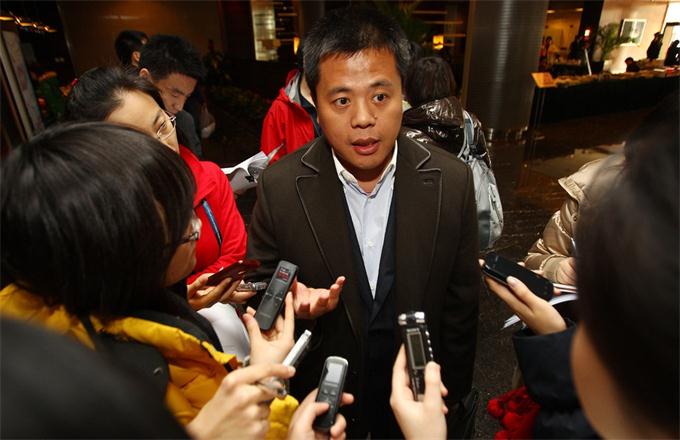
The author, a former deputy managing director of the International Monetary Fund, is vice-governor of the People's Bank of China.
Project Syndicate