Lack of long-term pollution control behind heavy smog
 |
|
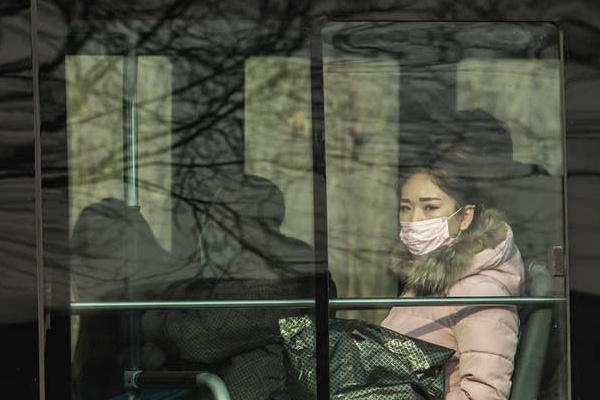
Commuters take a public bus in Beijing, Oct 18, 2016. The worst air pollution so far this winter began moving into Beijing on Dec 16 and is expected to last for over five days. The city issued its first red alert for air pollution on Dec 15 and emergency measures have been taken to tackle the smog. The severe smog blanketing northern regions covered more than 750,000 square kilometers by Saturday. [Photo/VCG] |
With weather conditions ripe for this year's heaviest smog, residents in Beijing and other cities in North China expected the worst when a red alert was issued for five days from last Saturday to Wednesday. Yet the suffocating blanket of pollution that the capital has experienced in the past has failed to materialize this time thanks to the emergency measures taken following the red alert.
The severity of the city's air pollution has been greatly tempered with more than 1,000 factories suspending production and an alternating restriction on private vehicles depending on whether the last number on the license plate is odd or even. This is the price that has to be paid for the debt that has been accumulated for a lack of past efforts.
But the temporary strict measures cannot be taken as the fundamental way to end air pollution. In dire need are efforts to eliminate the source of pollution for good.
In 2013, the State Council, China's Cabinet, issued an action plan to fight against air pollution, and a special fund of 23.94 billion yuan ($3.44 billion) was allocated from the central coffers to the municipalities of Beijing, Tianjin, six provinces and the Inner Mongolia autonomous region.
The Ministry of Finance during its inspections found it was not uncommon for local governments to have put the funds to uses other than the elimination of pollution sources as intended. Some of the funds were used to renovate buildings or for bonuses.
Such misuse of the funds, though unable to draw full blame for the smog's repeated return to affect vast swathes of northern and eastern China, has weakened the will and hindered the efforts to curb the frequency and severity of smog.
It is not a secret where the pollution comes from, and there are technological means to prevent pollutants of various kinds from being discharged. But that means an increase in production costs and possible loss of jobs.
So the heart of the matter is whether local officials are really committed to curbing smog. The flouting of central government's will and placing of local economic growth before everything else should not be tolerated.
It is not clear yet how severe a penalty those local government leaders who have misused the funds for air pollution control will receive. The penalty has to be severe enough to deter such wrongdoing in the future and change the mindset of local officials. Otherwise, the red alert will undoubtedly remain the only recourse whenever smog poses a health threat.