Protectionism not a solution
 |
|
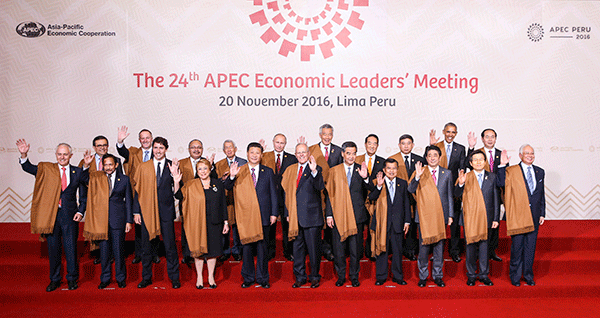
Asia-Pacific Economic Cooperation (APEC) leaders pose for a group picture in Lima, Peru on November 20, 2016. [Photo/Xinhua] |
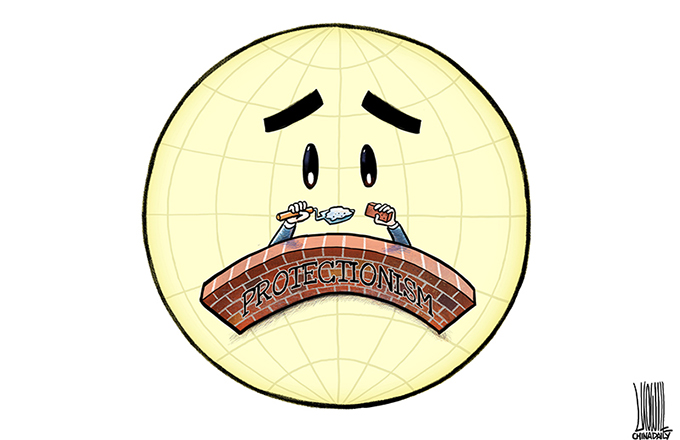
At the Asia-Pacific Economic Cooperation Economic Leaders' Meeting in Lima, Peru, leaders from the member economies and participating enterprises expressed their concerns over the emerging trend of trade protectionism.
That is why in his keynote speech to the APEC CEO summit, President Xi Jinping firmly advocated the establishment of the Free Trade Area of the Asia-Pacific, which would offer institutional guarantees for an open economy in the region.
Protectionism has been on the rise since the 2008 global financial crisis, and some major economies in particular, have taken continuous restrictive trade and investment measures.
WTO statistics indicate that G20 economies have introduced 1,583 restrictive trade measures since 2008, but only 387 have so far been revoked. The intensifying protectionism has contributed a lot to the low growth of international trade in recent years. The WTO has estimated that this year's global trade growth may be lower than its economic growth for a fifth consecutive year.
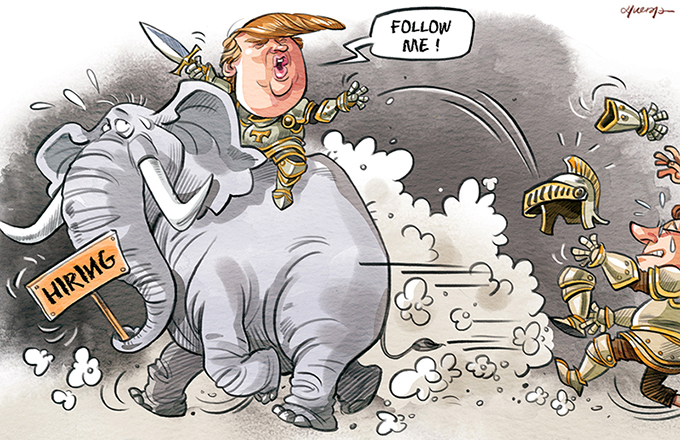
Given his previous protectionist rhetoric, his opposition to international trade rules and his threat to impose tariffs on particular countries, Donald Trump's election as US president has cast a fresh shadow over the already-disheartening global trade.
In the context of the global economic downturn, freer trade worldwide would help revitalize the global economy and also help individual economies to give play to their comparative advantages and improve their industrial structures. As well as harming other countries and the global economy, restrictive, beggar-thy-neighbor protectionist measures will also harm the country applying them.
China is a vehement supporter and advocate of liberalized trade and it has been actively pushing for the establishment of the Free Trade Area of the Asia-Pacific (FTAAP). In Lima, Xi called for more effective actions to realize the FTAAP at an early date, thus bringing about an Asia-Pacific economy with greater openness. The FTAAP, if it comes into effect, would serve the interests of all economies in the Asia-Pacific region, including the United States'.--Beijing News