
"I will never forget those days of dehydration and intense efforts just to get a nice shooting spot in such a dry environment under excessive sun exposure, which even got me kidney stones."-- Nature photographer: Bain Cheng
|
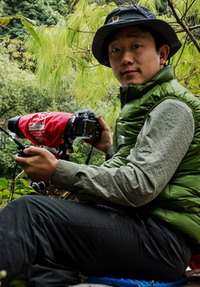 Photographer: Bain Cheng |
Q: How did you get into the world of wildlife photography?
A: At first, I only took photos of insects, as they are more widely spread with a larger variety and number. They offered me a greater chance to take good photos within a limited time. I began to shoot wildlife animals in a systematic way when I participated in a program photographing the life history of some species in a mangrove wetland reserve. Now it's been 12 years since I took first wildlife photo.
Q: What is the biggest problem you have faced so far?
A: Many places that are not classified as natural reserve continue to be exploited and destroyed; leading to the demise of numerous sites I once worked at. The good news is that the ecosystem’s integrity is somewhat preserved in many natural reserves.
Q: What is your favorite piece of work?
A: Work on parnassius cephalus(an endangered butterfly) is my favorite. I have been working on this for about five years. It started years ago when I saw a photo of a live parnassius apollo taken by a European on the Internet. At that time most of the photos were their specimens, but rarely could photos of these fairy-like living butterflies be found, which prompted me to begin planning 10 years ago.
After acquiring some information on parnassius imperator during a long break five years ago, I embarked on a journey in the middle and southern Gansu by myself. Due to lack of experience and bad weather, it took me nearly a month and numerous trips to finally run into them by the side of a highway. The butterflies were fluttering down the steep cliff, searching for nectars and mates on the rocky mountain. We finally drew a plan to photograph them in the oxygen-deprived environment of high altitude after days of trial. It took a lot of effort to climb up there since there was no road. With just water and some dry food, I stayed there for a whole day. After days of waiting, I finally captured the most phenomenal parnassius, in shape or in markings, on my camera, which was a pleasant surprise. The whole process, from the waiting and prognosis to pressing the shutter and rechecking, was incredible. I will never forget those days of dehydration and intense efforts just to get a nice shooting spot in such a dry environment under excessive sun exposure, which even got me kidney stones. From the day we went back to the next morning when I had ultrasonic lithotripsy, every minute, with both joy and pain, was amplified, which is really unforgettable.
|
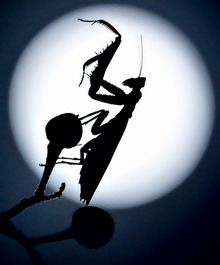 Click here for more photos |
Q: Do you have any suggestions for young photographers?
A: First, read more about nature, not just books, paintings or photos. Increase your base of knowledge and artistic level. You should be clear about what you want to do and what you can do. Second, continually enhance your photographic technique. Make a systematic plan to upgrade your skills. In this way, you can turn your thoughts to actions, and to real work. Third, actively participate in different kinds of environmental activities so that you can get a more complete and authentic picture of what you are dealing with in the real world, including natural and humanistic environment. This is an important basis for how we judge our situation and different things in the future.
Copyright 1995 - . All rights reserved. The content (including but not limited to text, photo, multimedia information, etc) published in this site belongs to China Daily Information Co (CDIC). Without written authorization from CDIC, such content shall not be republished or used in any form. Note: Browsers with 1024*768 or higher resolution are suggested for this site.
License for publishing multimedia online 0108263 Registration Number: 20100000002731 

