Double-engine economy
For a long time the developing economies in Asia, Africa and Latin America were economically dependent on developed countries. With many restrictions imposed on their independent development, the developing countries were in a disadvantaged position in the international division of labor and industrial chain. The developing economies mainly provided resources and markets for the developed world with the developed economies having great economic influence over developing economies.
One of the key characteristics of such an economic system was that the Western world exerted a strong impact on the world economy, when it enjoyed normal development, the world economy developed normally, but when it experienced recession or crisis, the effects would be transferred to other countries.
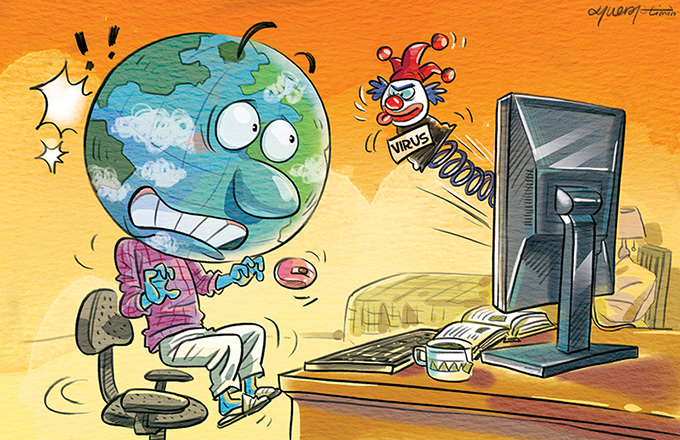
The financial crisis, beginning in 2007, originated from the United States, then rapidly spread to other countries and global financial markets, even causing severe turmoil in the development of the global real economy.
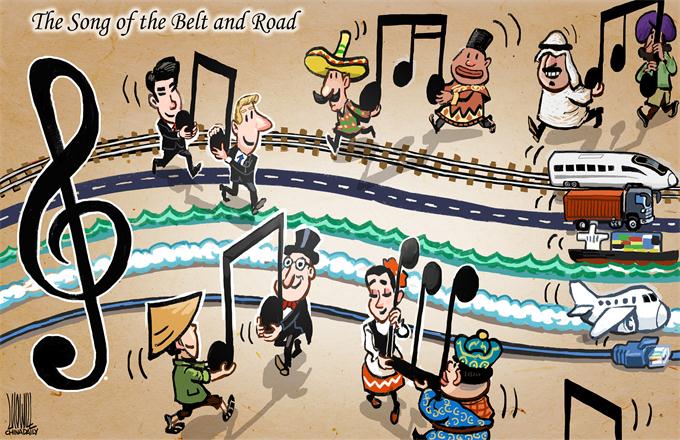
But since the start of this century, emerging economies have become increasingly important in driving global economic growth, and some significant changes have taken place in the global economy. The single-cycle system driven by the US has gradually evolved into a dual-cycle one, with China, as the largest representative of emerging economies, playing a pivotal role as a second economic engine.
Great changes and restructuring happened in the global economic and political system after the financial crisis. With the economic strength of emerging economies rising, the balance between developing and developed economies has gradually changed. While the US' role as the driving force of the global economy has been weakened and the developed countries share of the global economy has declined, the emerging economies' contribution to the global economy has increased rapidly.
In 2010, for the first time, the developing and emerging economies' capital influx accounted for more than 50 percent of the global foreign direct investment, reaching 51.6 percent. In 2012, for the first time in modern history, China surpassed the US as the largest trading country. In its latest World Economic Outlook released in January, the International Monetary Fund predicted the growth of global GDP would be 3.5 percent this year, with the developed economies increasing by 1.6 percent and the emerging economies by 5.5 percent.