Everyone needs a place to go
Keo Samon, a rice farmer in southeastern Cambodia, had no toilet in her home. Nor was there even an outhouse or latrine for Keo and her husband and five daughters. Instead, they would defecate on land around their home, or in the rice fields.
That changed after the Water Supply and Sanitation Council, a United Nations partner, began to work with the village. Keo's family, along with 30 others, attended community-led awareness sessions, built simple dry toilets and joined the drive to make their village "open defecation-free".
"In the past, I did not know the consequences of defecating outdoors. It was simply my habit, like others in my village. We were not aware of the importance of good hygiene. But now, I am very excited to have my latrine," Keo said.
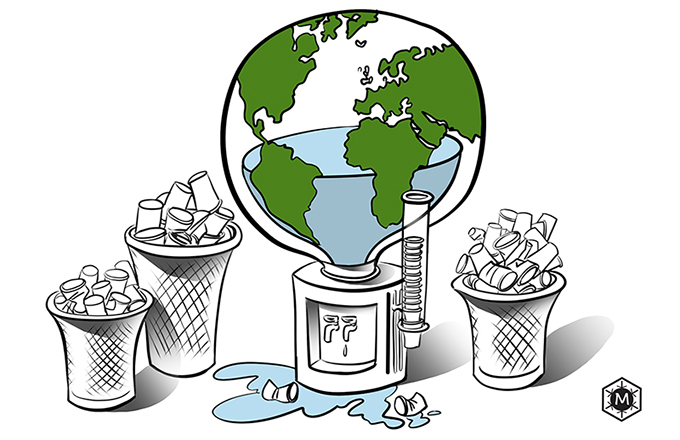
What good does a toilet do? More than you may imagine. Adequate sanitation prevents disease or malnutrition caused by contaminated water. Open defecation - practiced by more than a billion people around the world - is among the main causes of diarrhoea, which kills more than three quarters of a million children, aged 5 or under, each year.
Sanitation is also a necessary path to protection and empowerment for women and girls. When schools lack toilets, girls stay home when they are menstruating. When adequate sanitation is unavailable, women and girls are forced to take their private needs to the open, leaving them subject to sexual abuse.
Finally there is the economic argument. Poor water and sanitation costs developing countries around $260 billion a year - 1.5 percent of their gross domestic product. On the other hand, every dollar invested can bring a five-fold return by keeping people healthy and productive.
So, it is difficult to understand why, in 2013, 2.5 billion people around the world still lack access to adequate sanitation. More people have cellphones than toilets in today's world.
Since the adoption of the Millennium Development Goals in 2000, global poverty rates have been reduced by 50 percent, so has the number of people without access to improved sources of water, 200 million slum dwellers live better lives, and school enrolment has increased dramatically.