
Good for some, bad for others
Updated: 2008-03-25 07:30

Gushing with emotion and admiration, many foreign scribes have written about the hutong in Beijing and shikumen in Shanghai for the myriad English-language entertainment publications targeting a largely expatriate readership.
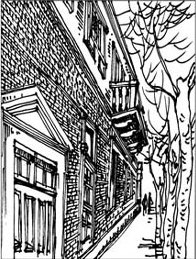
There is a sprawling shikumen community in my neighborhood, housing thousands of families. Those low-rise tenement buildings, distinguished by their orange-colored tiled roofs, look quaint and quite attractive from afar. But I doubt if the people living in those crowded apartments with no proper toilets or other modern amenities would share our appreciation of whatever architectural uniqueness or historical value they represent.
The only hutong I have ever visited was the one close to Houhai Lake, which is a favorite tourist spot in Beijing. But colleagues who grew up in a hutong told me that the one in Houhai was redesigned to the point that it bears scant resemblance to the real thing.
Many conservationists have long been complaining about the progressive destruction of hutong and shikumen. What they were lamenting was really the disappearance of a way of life, remembered for the neighborhood grocery stores, open food markets and hole-in-the-wall eateries with their make-shift kitchens set up on the sidewalks.
The sights and sounds of a shikumen community may seem exotic to visitors from Germany or Canada. You would probably enjoy it too as long as you do not have to live there.
At a road-side seafood store one afternoon, the stout store keeper, wrapped in a black rubber apron, pried open the shell of a live tortoise with a crowbar-like devise and cleansed the innards while bantering with the waiting customer. A poultry hawker squatted across the road amid cages of chickens and ducks. His prize collection was a big owl, which stood motionless in its cage, waiting for a customer.
A small delivery truck, honking furiously, pushed its way through the narrow road, crowded with hawkers and shoppers. At every stop, a gruff elderly man at the back of the truck would dump a load of vegetables on to the wet and muddy pavement to be collected by the shop owner.
That place reminds me of a visit to an old city district in Hong Kong when I was a child. I can still remember the pungent smells from the many shops selling salt fish and other dried sea food. What scared me the most during that visit was the head of a buffalo lying in the gutter outside a butcher's shop.
When I returned there a few years ago to visit a friend, the entire area had taken on a new look. The rows and rows of decrepit shop houses had been demolished to make way for a new multi-storey office and residential buildings that looked clean, if a bit non-descript. The unpleasant smells that used to prevail in that district had gone. Salt fish no longer hung from the ceilings of the few remaining dried goods stores, and the cooked food stalls had been driven to extinction by US-style fast food shops.
I have not heard or read any complaints by Hong Kong people about the loss of those shop houses. They may well be part of our heritage, but it is obviously not the part we care to preserve.
Shanghai people may have a different feeling about their shikumen.
E-mail: jamesleung@chinadaily.com.cn
(China Daily 03/25/2008 page8)
|
||

|
|
|
|