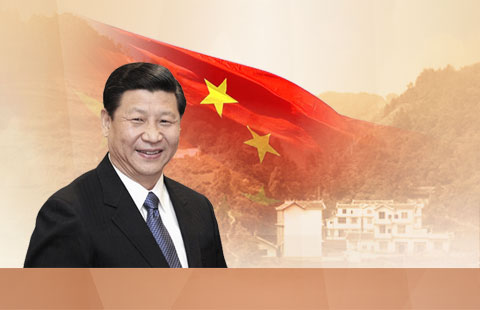
YI GANG, GOVERNOR OF THE PEOPLE'S BANK OF CHINA, the country's central bank, said in a recent article published in the Party's flagship magazine Qiushi that China will implement prudent monetary policy and "will not let the money in the ordinary people's hands devalue". China Daily writer Wang Yiqing comments:
It's an appropriate choice for China to maintain a prudent monetary policy. Yi's article clearly points out that China will not resort to competitive measures like zero interest rates or a quantitative easing policy despite such a tendency among the major economies; instead the country will endeavor to keep its currency stable.
Just as Yi said in his article, developing the financial industry should not just copy the practices of foreign countries. China's monetary policymaking has learned from the experiences of not only other major economies but also itself in the past few years.
In various historical stages, the results of unconventional monetary policies have not been as good as expected. Before the 1980s, developed economies resorted to an easy money policy to stimulate economic growth, which eventually resulted in serious stagnation that bothered the global economy for years. Since the global financial crisis broke out in 2008, major developed economies have injected unprecedented monetary stimulus through interest rate cuts, quantitative easing and even negative interest rates, which have actually aggravated the economic structural problems, especially in the medium and long run. Economic stimulus policies such as quantitative easing and negative interest rates generate more asset bubbles that endanger economic health, and further widen the gap between the rich and the poor.
China's rapid economic growth in the past few years was due to its GDP-centered policies. Since 2008 many economic structural problems such as high housing prices and asset bubbles have become increasingly serious, which have undermined the healthy development of the real economy. That's why China's macroeconomic policy has changed to structural transformation and highquality development.
China's monetary policy is in accordance with its development orientation and based on its own situation. According to Yi, China will combine both monetary policy and a macro-prudent policy to keep the currency stable and maintain financial stability.




Copyright 1995 - . All rights reserved. The content (including but not limited to text, photo, multimedia information, etc) published in this site belongs to China Daily Information Co (CDIC). Without written authorization from CDIC, such content shall not be republished or used in any form. Note: Browsers with 1024*768 or higher resolution are suggested for this site.
License for publishing multimedia online 0108263 Registration Number: 130349