... and other animals whose Chinese names come from a literal description. Take the quiz to find out how many you know
In 1413, the Ming Dynasty's (1368-1644) fabled admiral Zheng He returned from one of his expeditions from the South Seas with a fantastic beast in tow. The court called it a qilin after the lion/deer/ox/tiger chimera that symbolized luck in ancient myths, having appeared at both the birth and death of Confucius, among other auspicious moments.
As to the real identity of the beast brought back by Zheng is a portrait that Ming Emperor Yongle commissioned of his new qilin painted by artist and calligrapher Shen Du.
Yes, that's a giraffe. And by the next time this animal resurfaced in Chinese historical records - in the 19th century - people were trying out a variety of more earthly names to give this strange animal, which they often heard described by the Qing Dynasty's (1644-1911) envoys abroad and foreign missionaries in China.
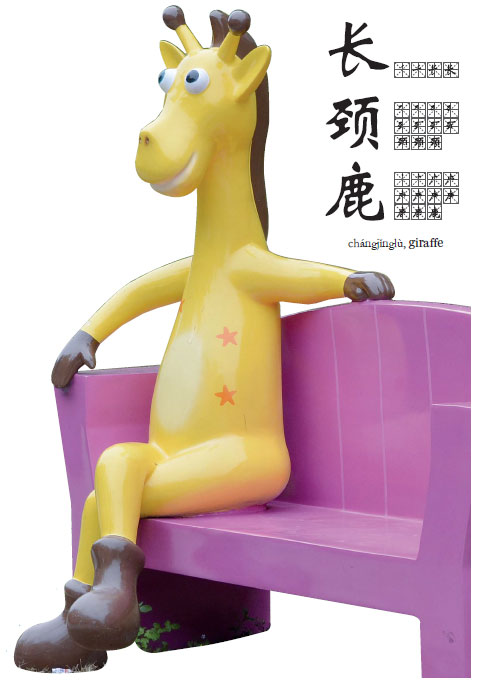
The proposed names ranged from phonetic (zhīlièhú) to the very literally descriptive?(chángjǐng guàimǎ, "long neck strange horse"; tuóbào, "camel leopard," like the giraffe's Latin name, giraffa camelopardalis), but?changjiinglu (chángjǐnglù, "long neck deer"), used in the records of Qing voyager Xu Jishe, eventually won out and ended up in The Commercial Press' Comprehensive Zoological Dictionary in 1922.
For the record, both the modern Japanese and South Korean words for giraffe are derivatives of qilin - kirin and gilin, respectively.)
But it isn't only the giraffe that's named in the Chinese language by a combination of obvious physical characteristics and names of other animals people already knew. Take the following quiz, which lists 18 literal translations of Chinese animal names, and see if you can identify these fantastic beasts, which must have amazed and appalled the explorers who stumbled upon them for the first time. Answers at bottom.
NAME QUIZ: Guess the animal
1. Striped horse
2. Duck-bill beast
3. Changing-color dragon
4. Tree lazy
5. Sheep camel
6. Bag rat
7. Tree bag bear
8. Pine rat
9. Yellow rat wolf
10. Laundering bear
11. Cat-head hawk
12. Sea piglet
13. Sea leopard
14. Sea elephant
15. Wall tiger
16. Terrifying dragon
17. Mountain-tunneling shell
18. Expectant goose
Answers
1. Zebra (bānmǎ). Easy-peasy.
2. Platypus (yāzuǐshòu) - to be fair, nobody knew what to call these in English either.
3. Chameleon (bìansèlóng), which we think is really quite perfect.
4. Sloth (shùlǎn). In English, the word "sloth" also referred to the Deadly Sin before it was conferred on the South American tree-dweller.
5. Alpaca (yángtuó), sometimes llama (which are also called měizhōutuó, American camel). These creatures, however, have also gotten a new name in recent years in response to censorship controversies.
6. Kangaroo (dàishǔ)
7. Koala (shùdàixíong), which also goes by a phonetically translated name (kǎolā). Most marsupials are named using the formula "bag + some other animal": for example, wombats are "bag bears" (dàixíong) and Tasmanian devils are "bag badgers" (dàihuān).
8. Squirrel (sōngshǔ)
9.(Yellow) weasel (huángshǔláng). We can't explain this one. It also goes by the more formal name huangyou?(huángyòu, yellow weasel).
10.Raccoon (huànxíong), for their habit of washing their food before eating
11.Owl (māotóuyīng). Yup, we can see it.
12.Dolphin (hǎitún), not to be confused with the "sea pig"
(hǎizhū), an extremely creepy-looking relative of the sea cucumber
13. Seal (hǎibào), named for its spots
14. Walrus (hǎixiàng), for the tusks, obviously.
15. Gecko (bìhǔ). They climb on walls, and according to the Ming dynasty's Compendium of Materia Medica, they're called tigers because of their ferocity in capturing scorpion flies.
16.Dinosaur (kǒnglóng). This name came from the Japanese, who wrote it using the same characters.
17. Pangolin (chuānshānjiǎ)
18. Penguin (qǐ é). Also translated as "enterprising goose", but no, it's not because they look like they're wearing suits. The character?qi can also mean "to look forward in anticipation" or "standing on tiptoes to look", which is what penguins seem like they're doing (when not swimming or sliding happily down an icy slope).
Courtesy of The World of Chinese, www.theworldofchinese.com
The World of Chinese




Copyright 1995 - . All rights reserved. The content (including but not limited to text, photo, multimedia information, etc) published in this site belongs to China Daily Information Co (CDIC). Without written authorization from CDIC, such content shall not be republished or used in any form. Note: Browsers with 1024*768 or higher resolution are suggested for this site.
License for publishing multimedia online 0108263 Registration Number: 130349