|
|
|
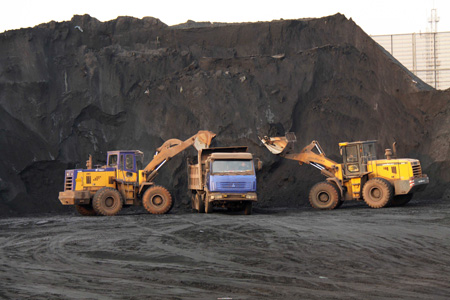
The high cost of iron ore has led some Chinese steelmakers to reduce imports and purchase more from domestic sources. [Photo / China Daily]
|
BEIJING - Some Chinese small blast furnaces have stopped using imported iron ore as the high cost of the commodity has hit their bottom line, said an executive from steelmaker Baosteel Group Corp.
If Chinese steelmakers' profits continue to remain depressed, then more and more steel producers will opt for suspending imports of spot iron ore, according to the China Iron & Steel Association (CISA).
According to data from the National Development and Reform Commission, operating costs for Chinese steelmakers rose 17 percent to 30.1 billion yuan ($4.62 billion) in the first quarter. The price of steel products increased 17 percent while the price of iron ore rose 40 percent, squeezing the companies' profits.
Xu Lejiang, chairman of Baosteel, said that some Chinese steelmakers have stopped importing iron ore. However, the amount of iron ore imports that have been suspended is not large, he added.
A Hebei-based steel company opted to purchase 40 percent of ore from the domestic market compared with 15 percent in 2010, said a sales executive at the company.
Hebei Iron & Steel Group said last week that its first-quarter profit fell 3 percent on higher raw-material costs and increased competition.
Global supply and demand conditions for iron ore may reverse in a few years, said Xu from Baosteel. A flurry of investment in mining in recent years will result in an end to the global iron ore shortage, and the consequent oversupply will severely weigh on prices in the near future, he said.
Xu also warned that Chinese steel companies, which have invested in iron ore resources overseas, are likely to face huge risks if ore prices plummet.
The Karara iron ore mine in Western Australia, which is owned by Australia's Gindalbie Metals Ltd and Chinese steel producer Anshan Iron & Steel Group, secured a $600 million finance deal during Australian Prime Minister Julia Gillard's visit to China on Tuesday.
Gindalbie and Anshan Iron & Steel have an off-take agreement for Karara iron, under which the Chinese steel producer will have 100 percent of the ore output for its steel mill.
The project, which began in late 2010, is expected to have an output of 11 million tons after 2012.
Australian miners seem to be still optimistic about the industry in the near future. "I don't see any reason that demand for Australian iron ore will decline," said Russell Scrimshaw, executive director of Fortescue Metals Group.
David Flanagan, managing director of Atlas Iron Ltd, which sells all its iron ore to China, said he didn't see any decline in iron ore exports. "We see delays in some iron ore production expansion in African projects, so we also anticipate the delay of that situation - the reverse of the supply and demand for iron ore," he said.
The Australian iron ore producer Atlas said it held talks with Chinese companies to sell a stake in its $2.9 billion Ridley mine in Western Australia's Pilbara region.