 |
|||
|
|||
 |
 |
 |
Buddhism and tea
(www.hwdly.com.cn)
Buddhism was closely associated with tea soon after it was introduced to China in the Han Dynasty(206 BC-220).
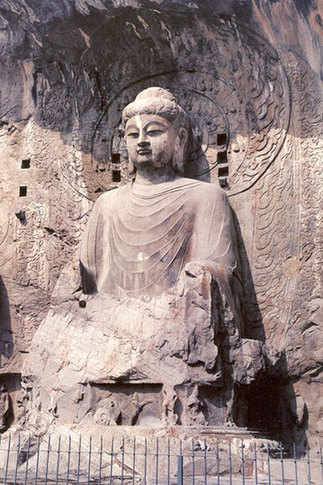 |
| Longmen Grottoes in Henan, China |
Close ties
Monks became attached to tea by sitting in meditation. As shown in historical records, Shan Daokai, a famous monk of East Jin Dynasty, cultivated himself according to Buddhism doctrines at Zhaode Temple. He was assiduous in his practice of sitting in meditation. To recover from fatigue and drive away sleepiness, he drank tea. It showed that in the beginning, the purpose for monks in drinking tea is to facilitate meditation and self-cultivation. Sequel Biography of Famous Monks says that Shi Fayao, a monk of the Southern Dynasty, excelled in Sado. He lived for 79 years. One secret of his longevity was to drink tea with meals. Eventually, it became a common practice among monks under Buddhism doctrines.
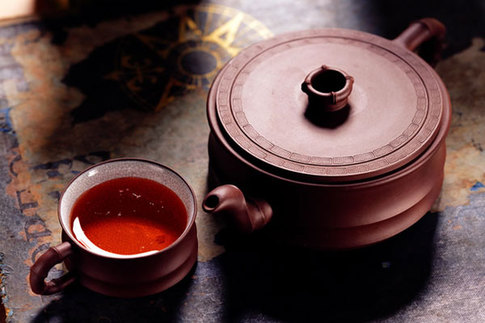 |
| Sado |
Buddhism tradition
Buddhism deems that tea helps with cultivating the body and mind. Therefore, drinking tea has become a common practice of monks. As recorded in the Song Dynasty, monks “get up, wash their face and hands, and drink tea in the morning. Then, they sit during meditation and then take a nap. When they get up, they wash face and hands, and drink tea. They have a meal. Then, they wash face and hands, and drink tea.” In brief, everything is connected to tea. Monks are inseparable from tea in daily life. In the Song Dynasty in particular, many Chinese temples formulated a set of ceremonies for drinking tea. The most famous was the tea banquet of Jinshan Temple.