Elephantine zeal
 |
|
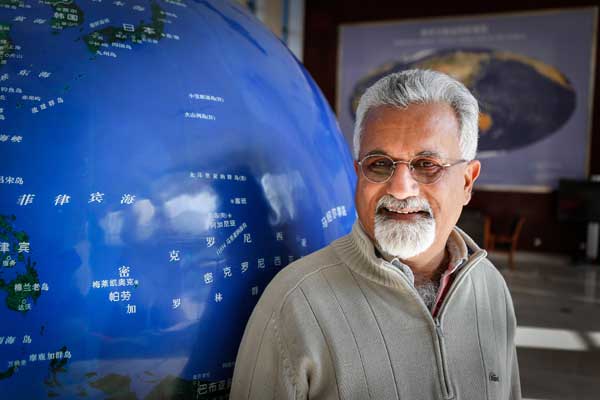
Natarajan Ishwaran, a wildlife expert of Sri Lankan origin, has been actively involved with conservation programs in China for decades. Kuang Linhua / China Daily |
Witness to the changes
He first visited China in 1989 as a program officer for UNESCO's World Heritage Convention. China was "less constructed" then, but not necessarily "more natural", Ishwaran says. Since then, he has made many visits to the country and has not only witnessed changes in urbanization, but also improvements in "skills and the capacity to manage natural and cultural heritage".
China has had its share of "comments and criticisms" from the international community, but they are taken very seriously. "In general, China has been a great supporter of international programs," he says.
Among which, the most famous focuses on UNESCO's World Heritage sites, of which China currently has 47. There are also the Global Geoparks Network, and very much close to his heart, the Man and Biosphere program, which manages the World Network of Biosphere Reserves.
As the former secretary of MAB, he feels it is underrated in China and many other countries, especially compared with the popular World Heritage program. But a biosphere reserve not only covers a protected zone, but a much larger area that is intended for balancing development and conservation, he says.
Changbai Mountain, which he visited on his first trip to China, is a biosphere reserve, and China had 32 such reserves by the end of 2014.
In his mind, the MAB program is ideal for testing new ideas. These zones can be "interesting experimental areas to see what could change and what could not" and how sectors like energy, agriculture and forestry could evolve in a manner so as to make more "space for biodiversity".
He recalls the warning of a UN official on the management of Mount Huangshan, which got its World Heritage status in 1990, and immediately saw a profusion of tourism facilities.
"Tourism is an industry that consumes capital and requires infrastructure," he says. "With a whole hospitality sector, it can end up being unsustainable in the way it expands and proliferates." Following the warning, Ishwaran went to Huangshan along with other experts to help.
"Huangshan today is a very well managed site," he adds.
"Maintaining balance does not mean a rigid plan," he says. "There will be times when you go up and down and make necessary corrections."