C-section vs natural birth
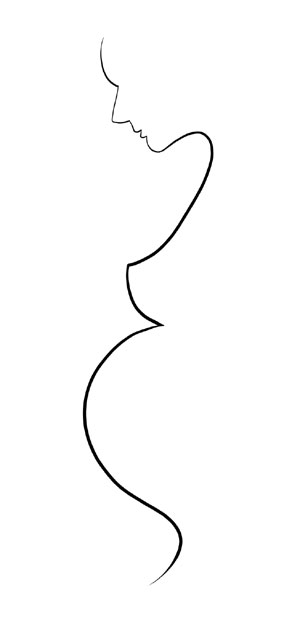
More women in China are choosing Caesarean section over natural birth. Liu Zhihua finds out the reasons as well as the pros and cons.
Wu Liujia, a publicity staff member with Xin-qiao Hospital in Chongqing, has recently been busy rejecting pleas from friends and relatives.
"They requested to have Caesarean section before Sept 1, so that their children will be able to go to school one year earlier.
"I tried my best to persuade them to drop the idea," Wu says. "C-section is not as good as natural birth, both for babies and mothers."
Wu has personal experience. She had C-section in 2010, and regretted it.
"When my baby was born, it seemed to be very immature. I also took a longer time to recover from labor (compared to those who chose natural birth)," Wu says.
But not everyone feels the same as Wu about C-sections.
About 47 percent of all births in China are through C-section, representing the highest rate for the procedure worldwide, although the recommended rate is less than 15 percent, according to a World Health Organization report in 2010.
"Chinese people's mindset of giving birth has changed profoundly," says Zhai Guirong, a senior obstetrician with Beijing Obstetrics and Gynecology Hospital.
"In the past, women and babies were expected to go through the natural course, but not now."
In the 1970s when she started working, C-section would only be adopted when necessary, and such an operation must obtain approval from the obstetrics department director, Zhai recalls.
According to Zhai, only about 10 percent of children were born through C-section at that time.
In the 1980s, the rate increased to about 15 percent, and has been increasing very quickly year on year ever since, according to Zhao Yangyu, director of the obstetrics department of Peking University Third Hospital. In some provinces, the rate has climbed as high as 70 to 80 percent, Zhao adds.
And the reasons are varied, ranging from improvement in medical technology, to the change in society's attitude toward C-section.
Wu Liujia, the Chongqing resident, chose C-section in 2010 for a number of reasons, although doctors strongly recommended natural birth.
Ultrasound examination suggested her baby was about 3.7 kg, and Wu was afraid the baby was too big to be delivered naturally. She was fearful of the pain and concerned that her vagina would be enlarged, which would affect her sex life.
Such fear and concern is common among China's new mothers.
Zhang Yiwen, 28, a Beijing resident who is in her third trimester of pregnancy, says she only wants C-section.
To read more:
Chinese mothers urged to keep it real