Comments
  Print
Print  Mail
Mail  Large Medium Small
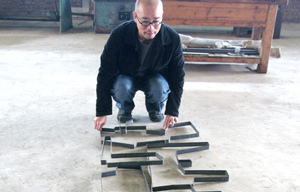
He carefully chose woods from different trees to present the fine textures and intricate changes in the shades of colors, and varied degrees of hardship, especially the dynamic fit among every part.
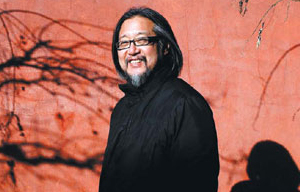
Peng dismisses the public nature of sculpture as an art form, and makes it personal and intimate through fine craftsmanship. He is keen on the delicacy and elegance of literati art from the Ming Dynasty (1368-1644), especially the creativity that combined techniques, handicrafts and lifestyles, says Gu Cunyan, an editor with Oriental Morning Post.
In the Ming Dynasty, traditional Chinese art reached a new height. The aesthetics of intellectuals largely influenced and formed the styles and the trends of the time. It was in this period that China's craftsmen created the most beautiful wooden pieces.
Besides creating original art, Peng helped some museums in the US with conservation and restoration of ancient Chinese wooden pieces. The job has allowed Peng access to the best of the Ming Dynasty wood pieces. "You play with them inside out, taking each piece off and putting it back," he says. "I became more and more fond of the works by these anonymous craftsmen."
It was the piety and humility in them - in contrast to the stardom of Renaissance masters, such as Da Vinci - that he cherishes and identifies with the most. "I wish to reproduce some of that spirit with my work," Peng says.
Peng graduated from middle school in 1970. At the age of 16, he was assigned to Shanghai Handicraft Factory to make boxwood sculptures for export. There, he learned from experienced craftsmen to sculpt figurines of fairies and immortals from Chinese folklore, and political pieces in praise of working-class power.
He was enrolled by the sculpture department of the Central Academy of Fine Arts in Beijing in 1978, the first year the school resumed recruitment after a 10-year pause during the "cultural revolution" (1966-76).
He went for post-graduate studies of sculpture in the United States in 1985. At the University of Tulsa, Oklahoma, he was confused to find that what the school taught conflicted with his previous perception of art: In China, academic art education emphasized creating vivid and lively works, but in the US, the professor asked why Marcel Duchamp's urinal was a piece of art, while others were nothing more than mass industrial products.
He began to discover new possibilities for art and experimented with new ways to create with wood. He won recognition quickly. In 1989, the state of Oklahoma commissioned Peng to create a sculpture to commemorate the centennial anniversary of the state.
Later when Peng settled with his wife in a small town with about 4,000 residents in New Hampshire, it seemed fitting that his new home was surrounded by forests. "It's an ecological miracle," the artist says.
zhangkun@chinadaily.com.cn
|
|
|
| Brush captures enduring love | Art and the architect |

Copyright 1995 - 2010 . All rights reserved. The content (including but not limited to text, photo, multimedia information, etc) published in this site belongs to China Daily Information Co (CDIC). Without written authorization from CDIC, such content shall not be republished or used in any form. Note: Browsers with 1024*768 or higher resolution are suggested for this site.
License for publishing multimedia online 0108263 Registration Number: 20100000002731