Poverty-stricken U.S. cities have HIV epidemics
(Agencies)
Updated: 2010-07-20 09:00
 |
Large Medium Small |
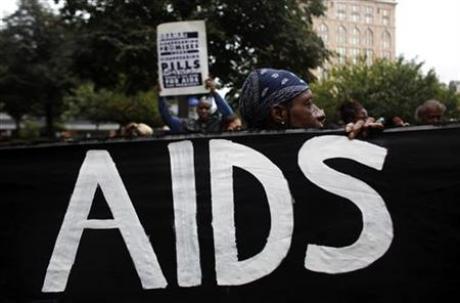
Many low-income urban areas across the United States have epidemics of HIV, with 2.1 percent of heterosexuals in poverty-stricken urban areas infected with the incurable AIDS virus, U.S. scientists said on Monday.
In a study of rates of HIV across the United States, researchers from the Centers for Disease Control and Prevention (CDC) found that poverty is the single most important factor linked to HIV infection among inner-city heterosexuals.
"In this country, HIV clearly strikes the economically disadvantaged in a devastating way," said CDC HIV/AIDS expert Kevin Fenton, whose findings were presented at an international conference on AIDS in Vienna.
He said the research showed there was "a widespread HIV epidemic in America's inner cities."
More than 1.1 million people in the United States are infected with the human immunodeficiency virus that causes AIDS, according to the CDC, and there are around 56,000 new infections there every year.
Many studies have shown that blacks, gay and bisexual men and Hispanics are the most affected groups, and Fenton said this study found heterosexuals in the poorest city neighborhoods are also hit hard. The researchers found no differences in HIV prevalence by race or ethnicity in heterosexuals in poor areas.
The United Nations Joint Program on HIV/AIDS (UNAIDS) defines an HIV epidemic as one where prevalence in the general population is more than 1 percent.
The CDC analysis looked only at heterosexuals and did not include gay and bisexual men, sex workers, or injecting drugs users, who are often the highest risk groups.
It found that HIV rates were especially high among the poorest people. Those living below the poverty line were at greater risk for HIV than those living above it -- with rates of 2.4 percent versus 1.2 percent -- and prevalence for both groups was far higher than the national average of 0.45 percent.
"This analysis points to an urgent need to prioritize HIV prevention efforts in disadvantaged communities," said Jonathan Mermin of the CDC's HIV/AIDS prevention division.
U.S. President Barack Obama last week set out a new domestic AIDS policy which asked states and federal agencies to find ways to cut new infections by 25 percent, get more patients treated quickly and educate Americans about HIV.
But the plan did not include any new funding above the $19 billion the United States already spends a year on domestic HIV prevention, care and research.