


Hotpot treat helps to beat winter blues
|
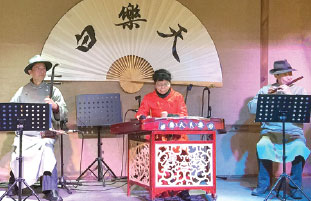
Upmarket restaurant Bai Le Tian Hotpot Restaurant. Tang Yingzi / China Daily |
This strongly-flavored and oily local dish has gained huge popularity in recent years, especially since the release of the food documentary A Bite of China four years ago. It seems like there are Chongqing hotpot restaurants in every Chinese city, though most people in northern and coastal regions never used to eat chilies.
Boasting both the best and largest number of hotpot restaurants in the country, Chongqing was named "China's hotpot city" by the China Cuisine Association in 2007.
According to the Chongqing Hotpot Association, there are more than 50,000 hotpot eateries, employing at least 3.5 million people.
Although there is no hard evidence as to how it originated, many believe the hotpot emerged from porters' cuisine in the late 19th century.
Chongqing is a port city surrounded by the Yangtze and Jialing rivers. In the late 19th century, animals from Sichuan, Guizhou and Yunnan provinces were shipped by water. Good meat was shipped and sold to the upper and middle classes. The internal organs, including stomach and kidney, were discarded or sold cheaply. Porters picked up or bought the organs and cooked them in a boiling pot with a spicy sauce and ate it by the water.
During World War II, when Chongqing became the wartime capital, the dish gained popularity with people from all around the world.
Chongqing hotpot uses beef tallow, large quantities of chili and Sichuan pepper. The three must-have varieties are ox stomach, duck intestine and large artery of pig or ox.
As competition is fierce, there are many outstanding outlets in the city and locals can never agree on which one is the best. Everyone has his or her ranking list.
In Chongqing, a less-than-glamorous hotpot shop called "Big Dragon", down an alley in Shapingba District, is the go-to place for real foodies. It opened at least 20 years ago and it has never changed. Though there are so many knockoffs in Chongqing and other cities, the owner has no ambition to open more outlets.
The shop is always crowded, even at midnight, and has a long queue during peak hours. The dishes are fresh and reasonably priced, service is quick and considerate, but the secret is its soup base and homemade chili pepper sauce.
You can choose mild, medium or heavy soup base. For ordinary diners, mild is enough.
If you want a more upmarket restaurant, Bai Le Tian Hotpot Restaurant boasts the first hotpot shop in Chongqing, dating back to 1921. The newly-renovated restaurant in downtown Jiefangbei features the 1930s retro-style decor, with a local traditional music played by a live band.
Young and posh diners can try a modern eatery called "Spricy" which offers a stylish way of eating the traditional cuisine. The restaurant uses specially-designed cast iron cookware and features lounge music, local craft beers and cocktails. Despite all these fancy elements, the dishes are well prepared and the mix of spicy and mild soups taste good too.
The last but not least, hospitable locals like to invite guests to Nanshan Mountain, south of the Yangtze River to eat hotpot in open air. There is a "hotpot village" in the mountain which can be only reached by car. Dozens of hotpot restaurants are located along the 1 km long road. Some boast views of Lotus Lake and some have hundreds of tables all over the mountain. At night, when the restaurants light up their red lanterns, the view is unforgettable.
















